0449 729 797sales@sandblastsydney.com.au
Home / Services / Timber Blasting & Restoration
Aeroblast services · Sydney

Timber Blasting & Restoration

Controlled coating removal and surface preparation for timber ceilings, beams, trusses and architectural features.

Discuss your project
The service

Practical preparation, clear scope.

Careful removal of nominated coatings from timber ceilings, beams, trusses and architectural features. Preparation is adjusted to the timber condition and the agreed exposed or recoated finish, with a representative trial used to establish the achievable result.

Typical work

  • Timber ceilings, beams and roof trusses
  • Sample-led coating removal
  • Preparation for exposed or recoated finishes

Every surface and site is different. We confirm the preparation target, protection of surrounding areas, finish and inspection requirements before work proceeds.

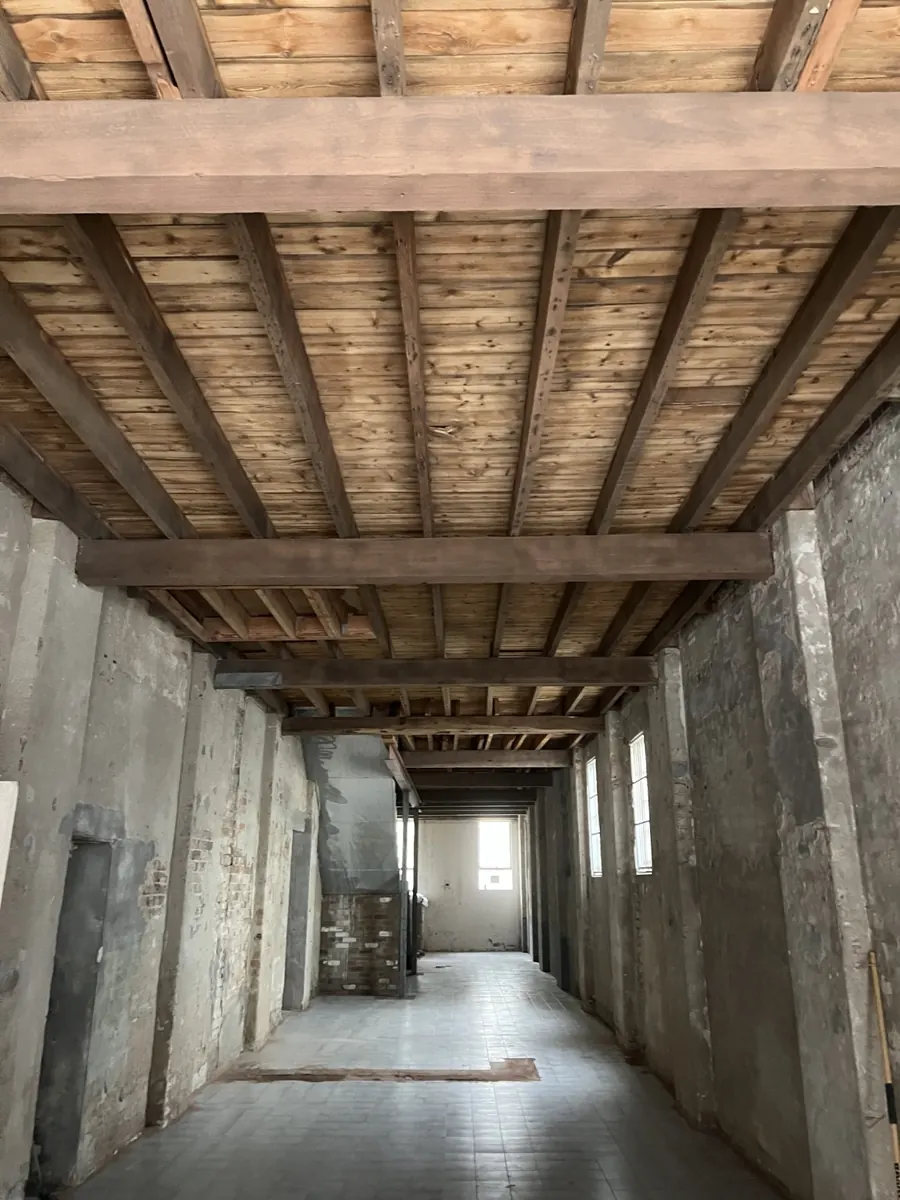
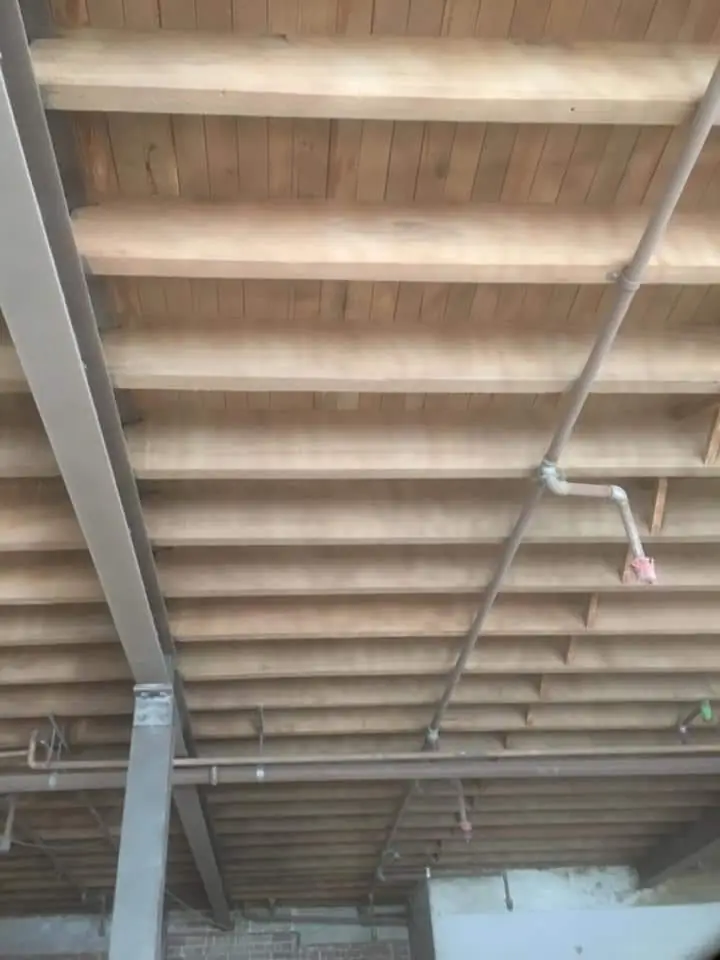
Aeroblast timber blasting & restoration project

Ceilings, beams and roof trusses

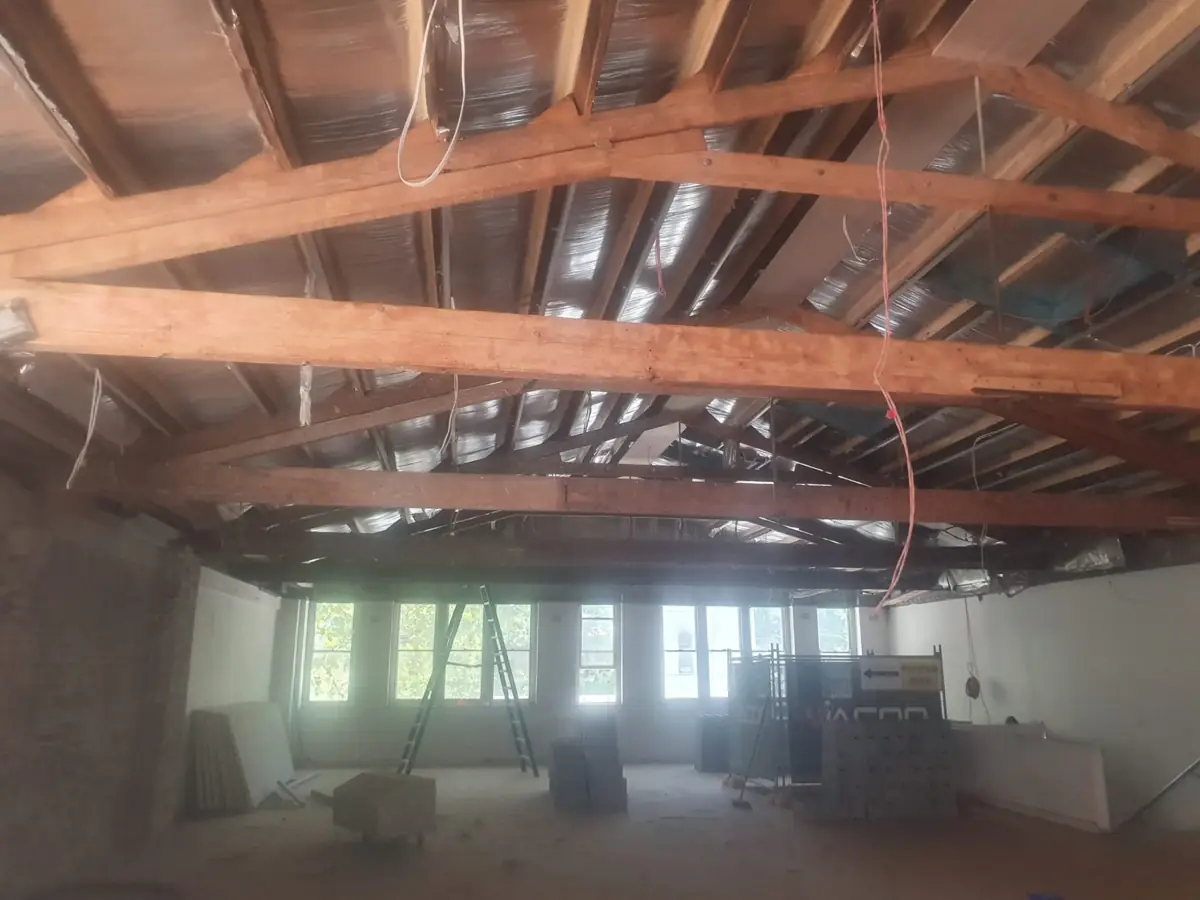
Exposed structural and architectural timber can form a defining feature of a refurbishment. We review access to ceilings, trusses, posts and junctions before defining the removal scope. The desired result may be an exposed timber finish or a prepared surface for subsequent finishing; these objectives are agreed before settings are selected.

A trial on the actual timber

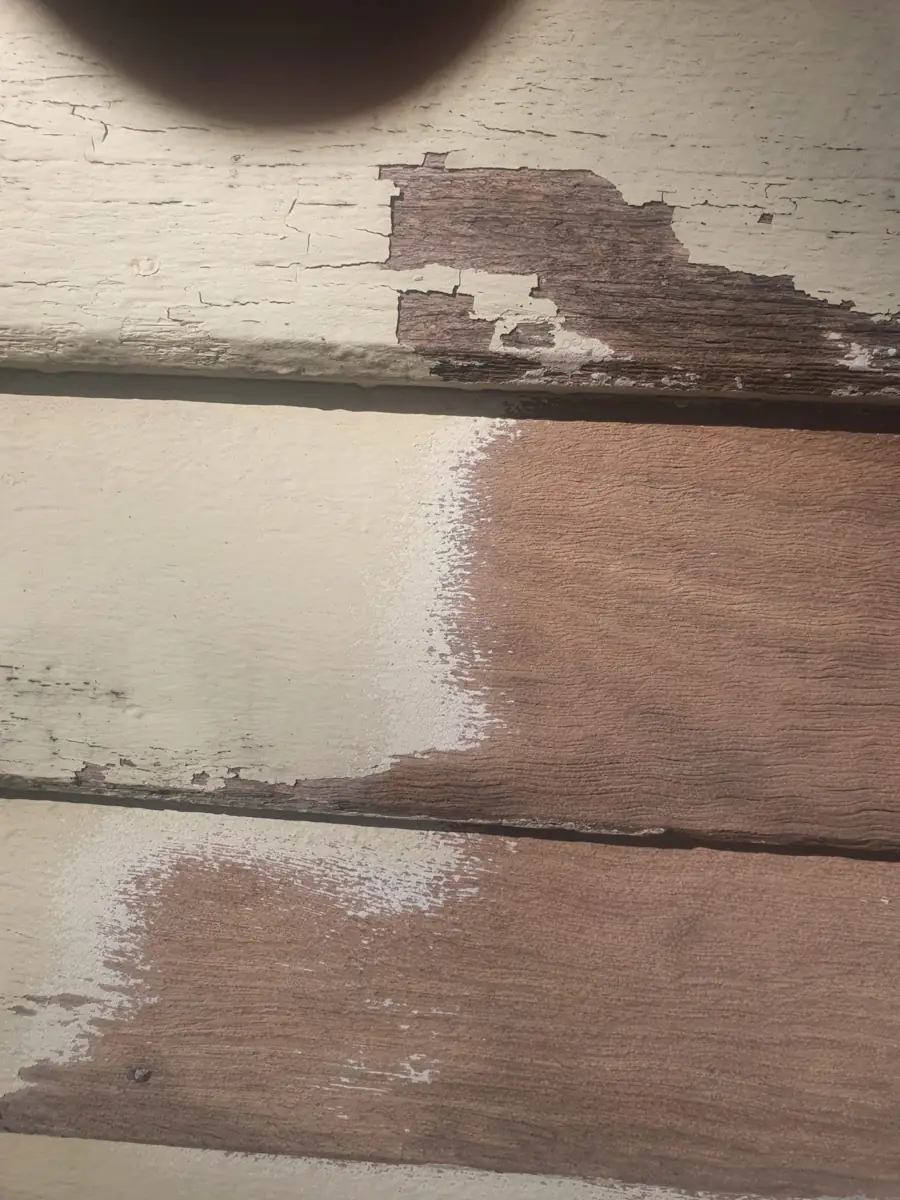
A representative sample shows how the existing coating and timber respond together. It establishes achievable removal, grain texture and visible colour variation. Different timber species, coating histories and repaired areas may require more than one sample. The client reviews the result before work extends across the nominated area.

Controlled preparation

Media, working pressure, nozzle distance and dwell time are adjusted for the surface. Preparation is reviewed as conditions change rather than applying one setting throughout the building. Extra attention is given to edges, joints, soft areas and exposed fixings. Existing defects are discussed when coating removal makes them visible.

Natural variation remains visible

Timber grain, old fixing holes, previous repairs and deep staining can remain part of the finished appearance. Abrasive treatment can make grain more pronounced. The approved sample helps distinguish an acceptable natural variation from an area requiring additional work, without assuming every piece of timber will finish identically.

Wet or dry methods

Wet preparation is considered only where the timber and surrounding construction can tolerate the method. Water use, drying, ventilation and residue recovery are planned together. The appropriate approach depends on the building, material and finish rather than a blanket preference for wet or dry blasting.

Protection inside existing buildings

Windows, services, floor finishes, adjoining materials and occupied areas are considered in the methodology. Access and the work sequence are coordinated with other trades. Suspected hazardous coatings need assessment before removal proceeds, so the proposed controls can reflect the actual material.

Cleanup and finishing responsibilities

The quotation defines abrasive recovery and any wet scraping or wash-down included in the work. Bulk residue removal does not automatically include fine cleaning throughout the property. The next trade requirements, residual dust, timber moisture and drying responsibilities are agreed before handover.

Information for a timber quote

Send photographs showing the overall area, close-up coating condition and access. Include approximate ceiling area or beam dimensions, location, building use and your preferred finish. Tell us about heritage constraints, sensitive adjacent surfaces and the timing of subsequent trades.

Aeroblast projects

See the work. Explore the detail.

Timber ceilings, beams and restoration

Exposed timber ceiling and beams
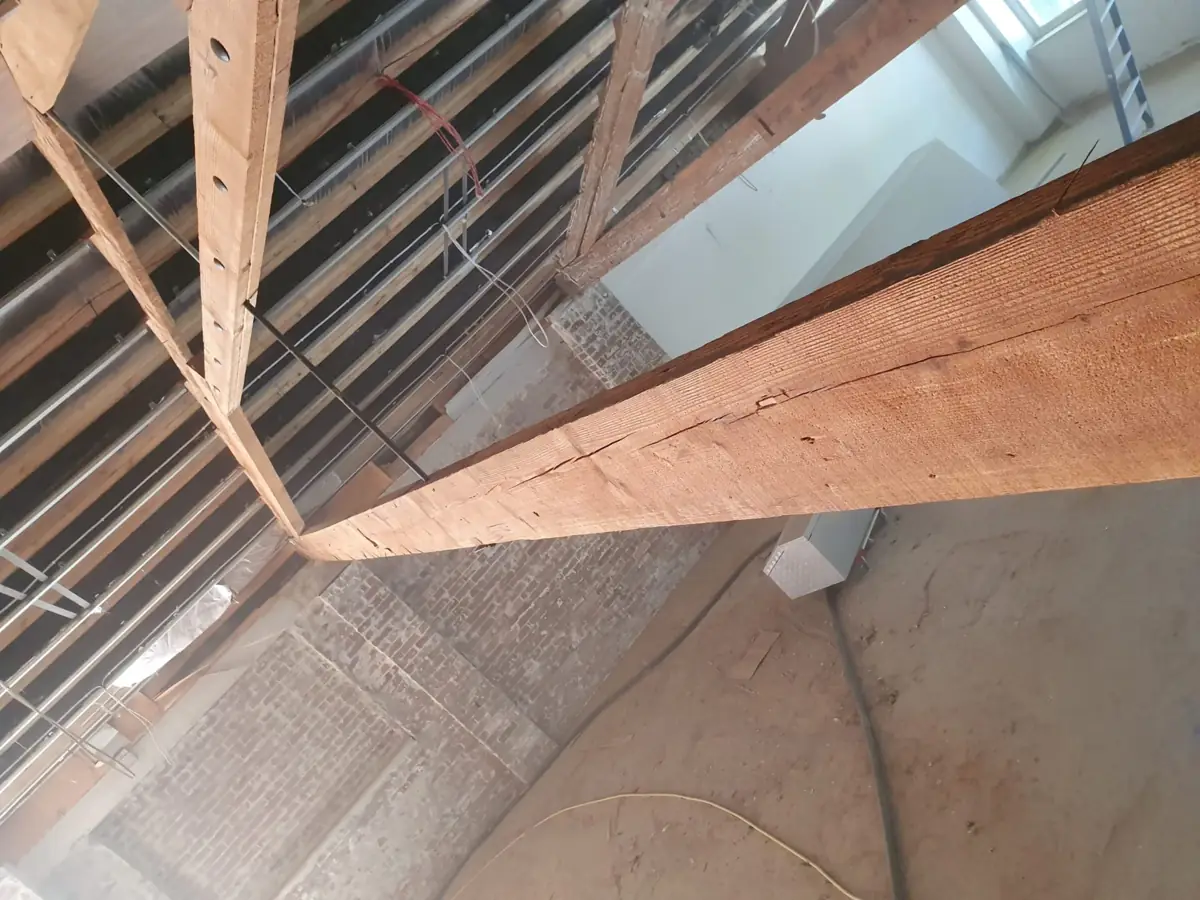
Exposed timber roof trusses
Exposed timber ceiling
Timber truss detail
Timber truss detail
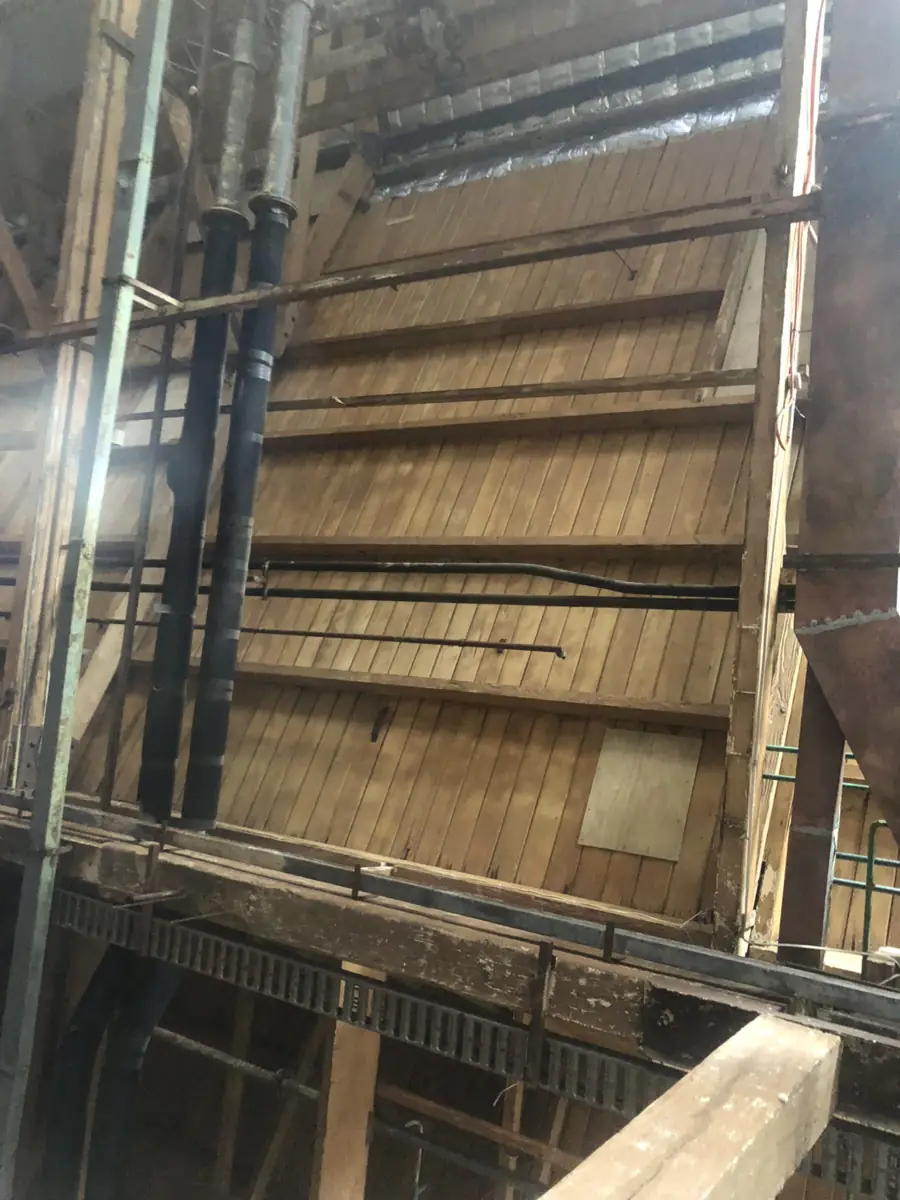
Timber and brick interior
Coating removal from timber
Method

How the work is approached.

01

Inspect the timber

Review the timber species where known, coating history, grain, repairs and any soft or deteriorated areas. Agree the surfaces to be treated and the intended finish.

02

Trial and protect

Establish a sample using suitable media and controlled settings. Protect adjacent finishes and confirm whether wet or dry preparation is appropriate for the building.

03

Prepare and hand over

Work progressively against the approved sample, reviewing changes in substrate condition. Complete the agreed residue recovery and confirm requirements for drying or subsequent finishing.

Project considerations

What affects the result.

  • Blasting can emphasise timber grain and reveal historic repairs, fixings and colour variation.
  • Soft, weathered or deteriorated timber requires a cautious trial and may not suit abrasive removal.
  • Coating in deep grain and pores may remain after a conservative preparation.
  • Any follow-on staining, sealing or painting and the required drying period are separately agreed.
Quality & handover

Agree the benchmark first.

The approved sample establishes the visual benchmark. Acceptance considers the substrate, agreed removal target and preservation of sound timber. Steel blast classes are not used to assess timber.

Project-specific inspection frequency, acceptance criteria and documentation are confirmed in the scope.

Enquire

Send the details that matter.

Tell us the location, approximate area or dimensions, substrate, existing condition and target finish. Include photos, drawings and a coating specification or ITP if you have them.