Suitable workshop projects
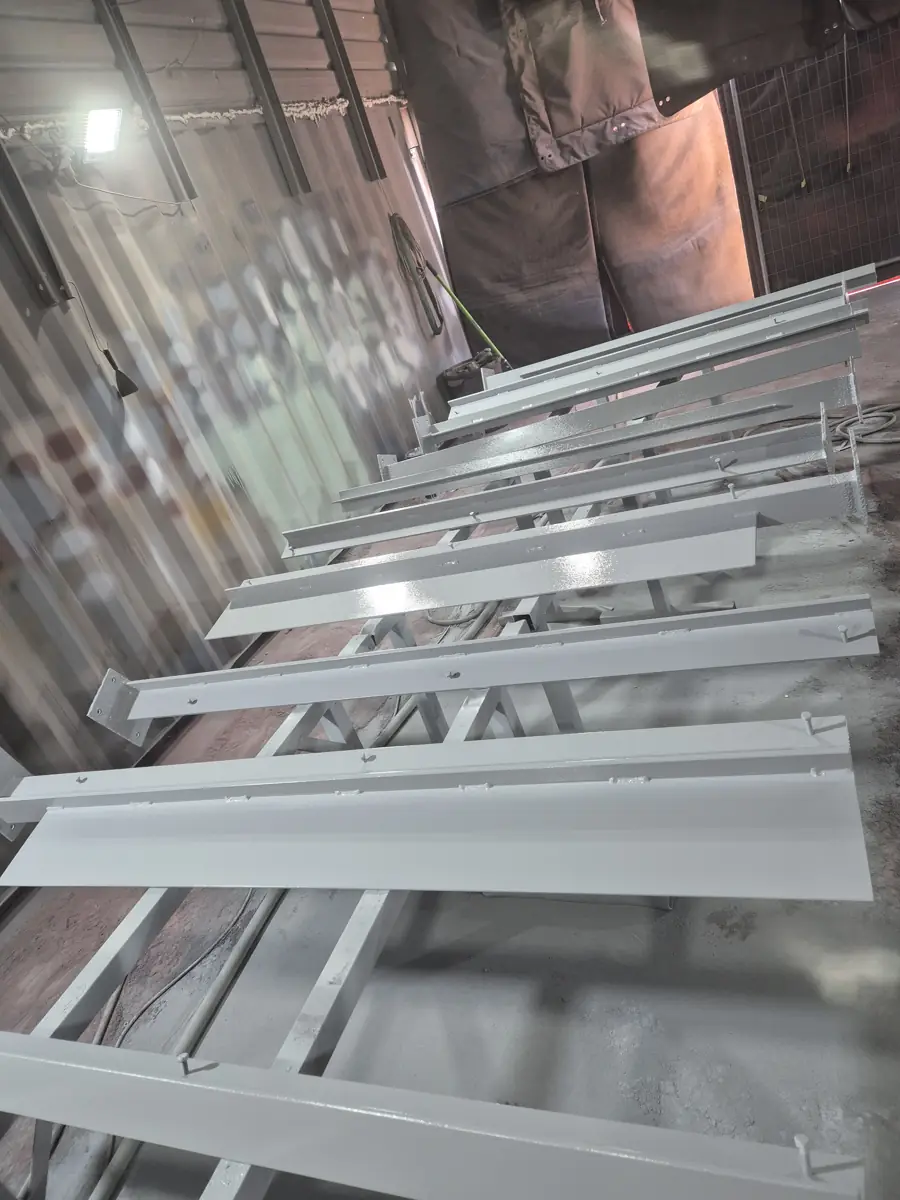
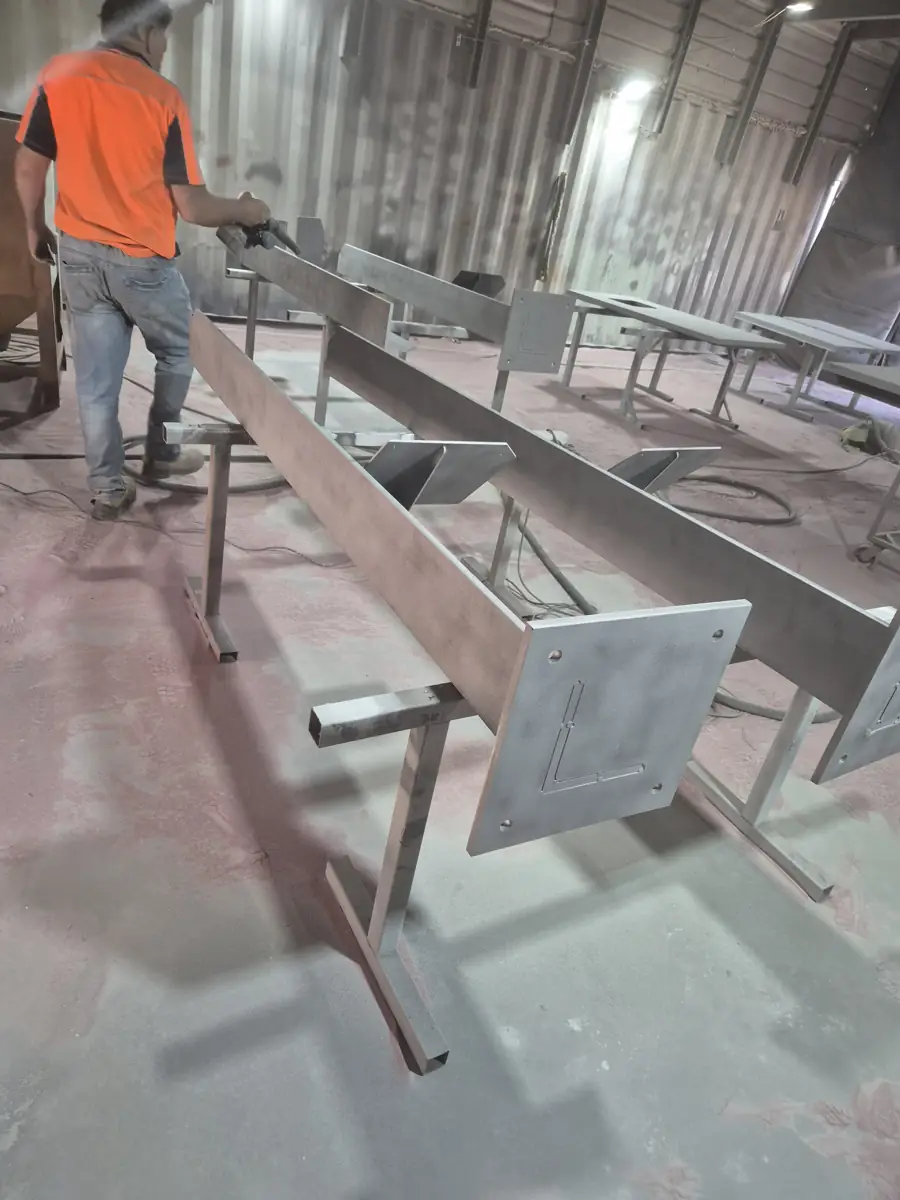
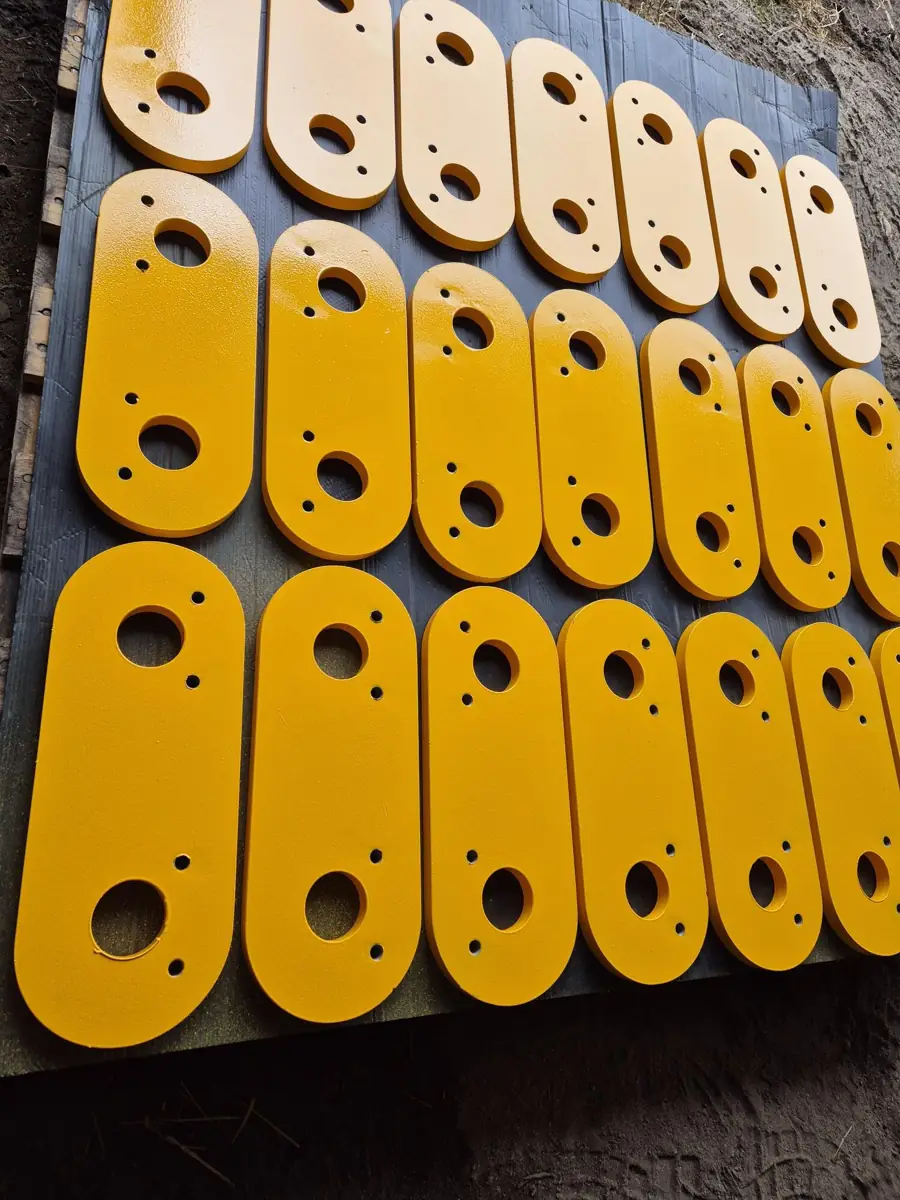
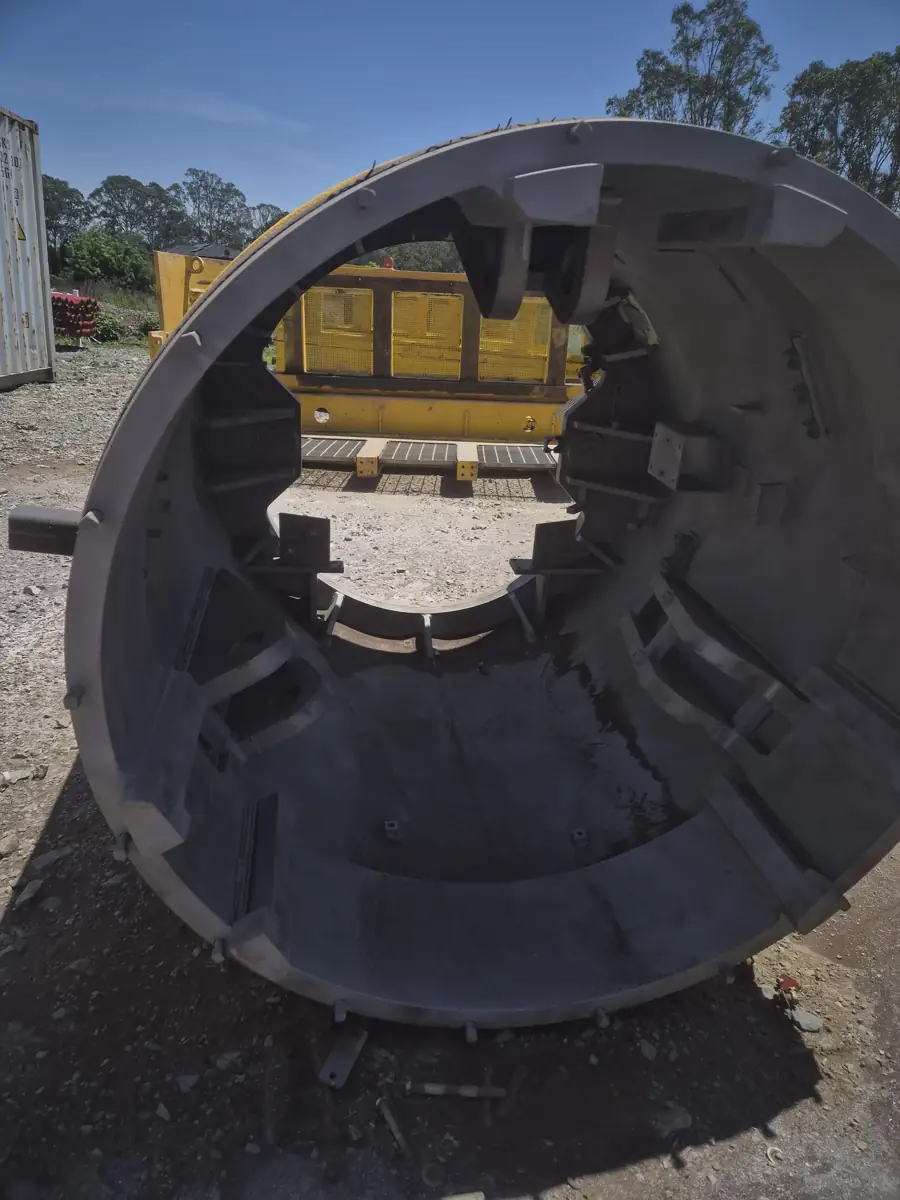
Transportable fabricated steel, brackets, frames, machinery components, plant parts and other suitable metalwork can be assessed for workshop preparation and coating. New fabrication may need mill scale removed before its first coating; existing items may need rust and failed paint removed before refurbishment. Suitability is checked from the actual dimensions, material, condition and handling requirements rather than assuming every item can be accommodated.
Define the finish before delivery
A clear coating schedule identifies the intended exposure, preparation grade, profile range, products, coat sequence and thickness. Colour and gloss are confirmed where appearance matters. If the client supplies a specification, it is reviewed with the job details before quoting. If the required system is still being decided, the service environment and asset use provide the starting point for that discussion.
Receipt, identification and masking
The incoming components and their condition are checked against the agreed scope. Different items or batches are identified so the required finish and records can be traced to the work. Threads, machined surfaces, seal areas, bearing seats and other nominated surfaces are protected as agreed. Components should arrive in the agreed state of disassembly, with sensitive parts removed where required.
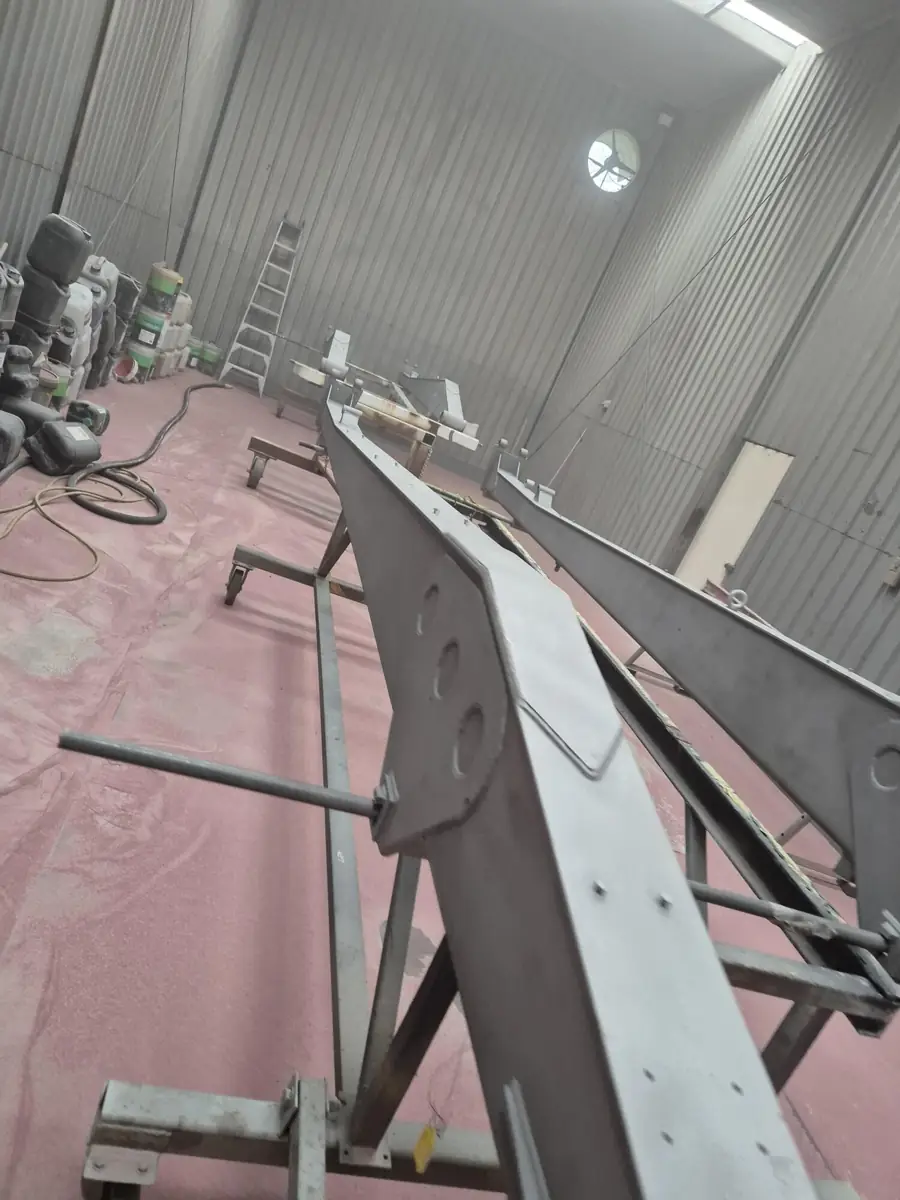
Pre-cleaning and abrasive blasting
Oil and grease are addressed before abrasive preparation to avoid transferring contamination across the surface. Abrasive and blast settings are selected to achieve the specified cleanliness and anchor profile. Edges, welds, pits and difficult geometry receive attention within the agreed scope. Blasting exposes the underlying material condition; any newly visible damage or need for repairs is reviewed before proceeding.
Preparation inspection before primer
Cleanliness and profile are separate checks. The surface is visually assessed against the specified preparation reference, and replica tape profile measurement can be included where required. Abrasive oil checks under ASTM D7393 and compressed-air checks under ASTM D4285 may form part of the ITP. The abrasive vial test indicates oil contamination and is not a soluble salt test.
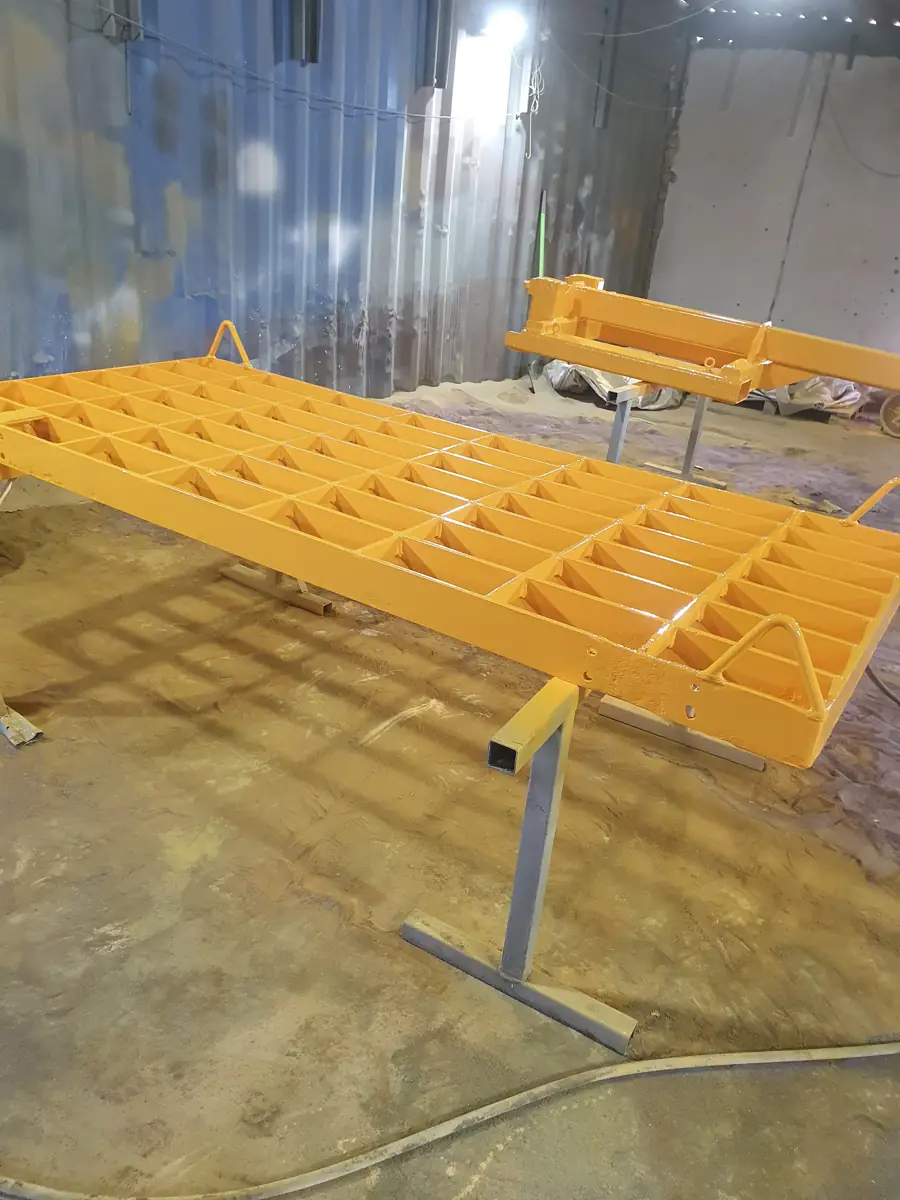
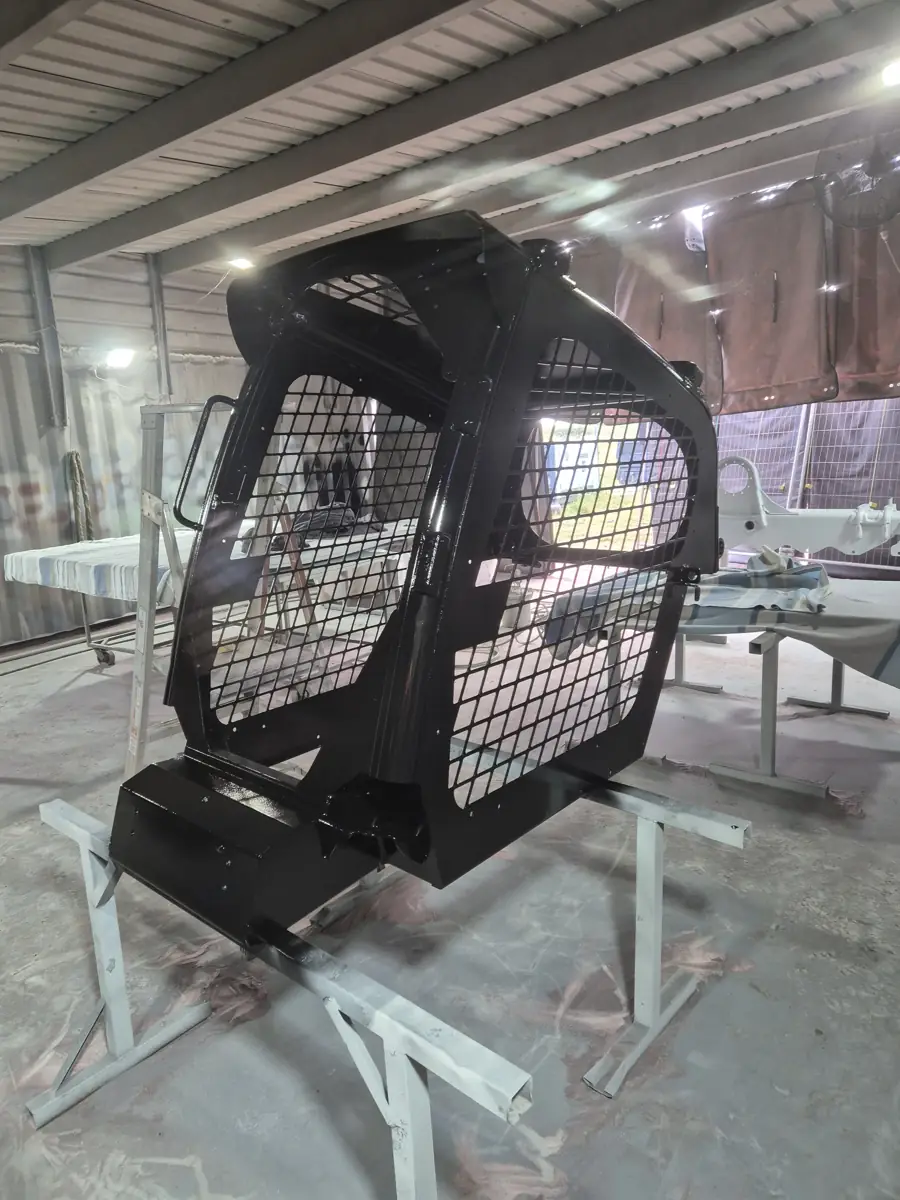
Protective coating application
The agreed primer, intermediate and finish coats are applied using a method permitted by the product data sheets. Mixing ratios, induction time where applicable, pot life, authorised thinning and recoat windows are controlled. Stripe coating is included where specified for edges, welds, bolts and difficult details. Each coat is reviewed before the next layer so contamination, missed areas and application defects can be addressed.
Workshop conditions and film thickness
Workshop delivery still requires attention to ambient conditions, substrate temperature and condensation risk. Wet film checks help control application build; dry film readings verify thickness using the nominated sampling and acceptance method. Instrument verification, adjustment and substrate roughness effects are handled as required. Agreed readings and inspection points can be recorded against the item or batch.
Cure, handling and collection
Handling readiness is assessed against the coating requirements and actual conditions. Dry-to-touch does not necessarily mean the coating is ready for transport or full service. Collection timing, lifting and support points, packing and transport protection are agreed to reduce damage to the finished surface. Any requirements for wrapping or special supports should be raised when the work is scoped.
Inspection records and repeat batches
The documentation can range from an agreed final inspection record to a project-specific ITP and coating report package. Where required, records may include preparation release, profile, ambient readings, products and batches, stripe coat checks, thickness results and corrective work. Repeat components benefit from a consistent item schedule, coating requirements and acceptance benchmark confirmed before production.
What to send for a workshop quote
Provide clear photos, the number of items, overall dimensions, weight where known and details of existing paint or corrosion. Include the intended service environment, coating specification, colour and any required inspection or handover records. Tell us about masking, sensitive parts, delivery constraints and preferred timing. Delivery to Austral is arranged after suitability and the job scope have been confirmed.