Tanks, vessels and enclosed assets
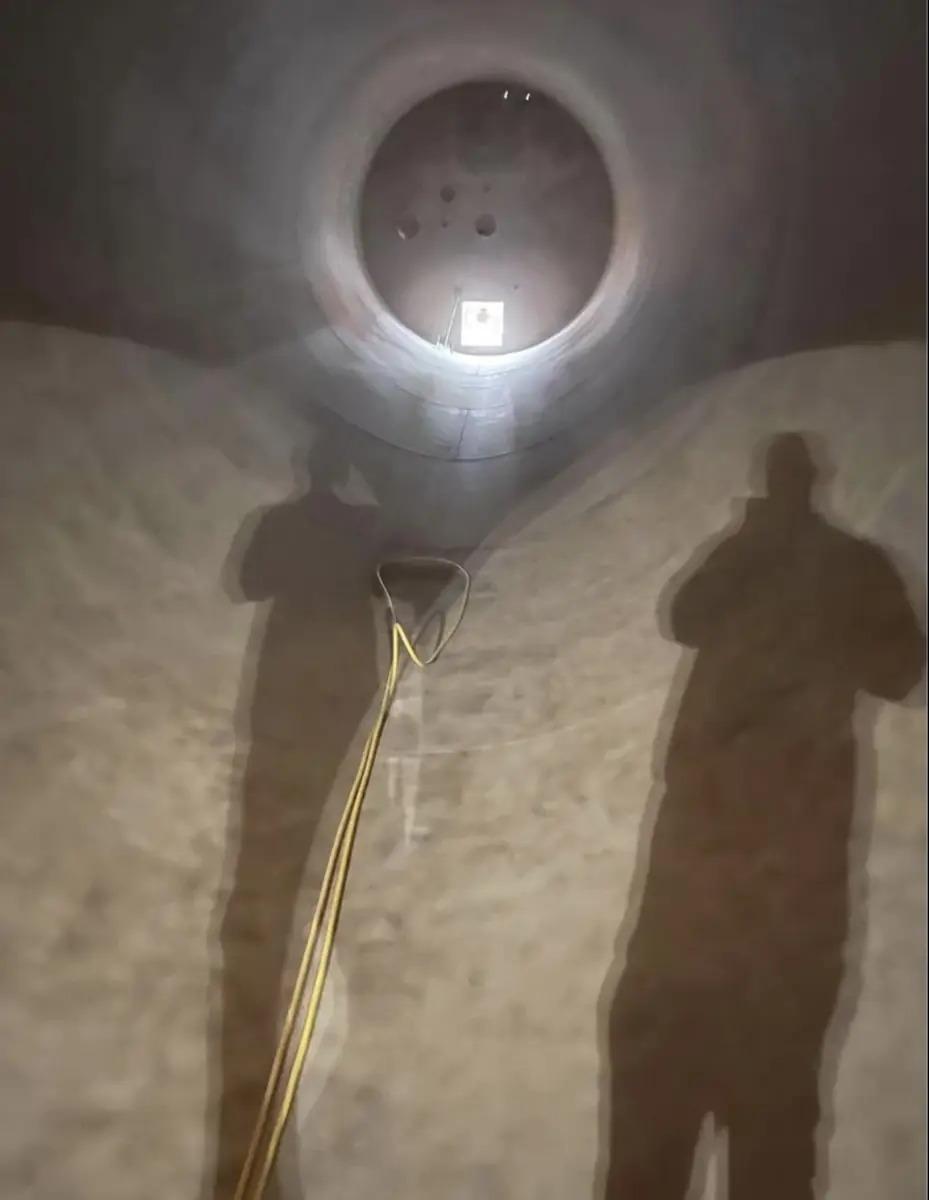
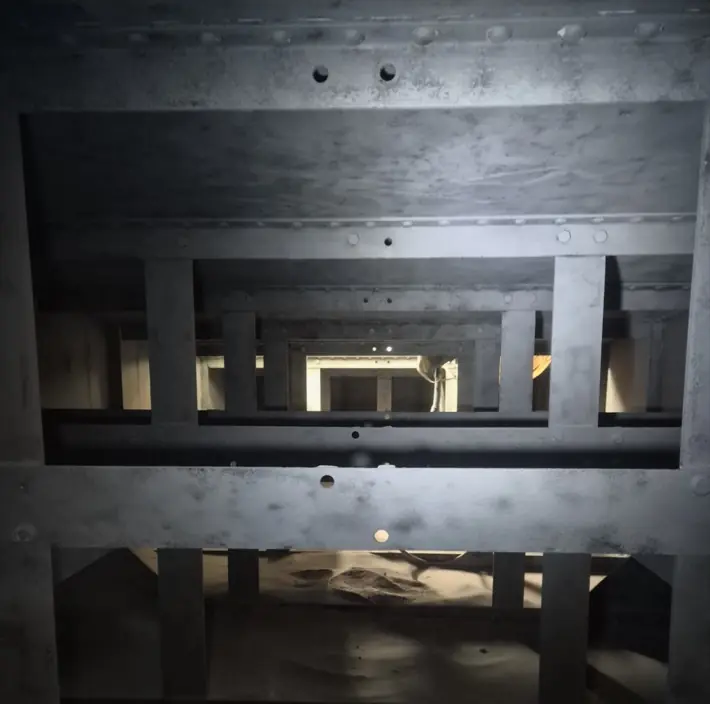
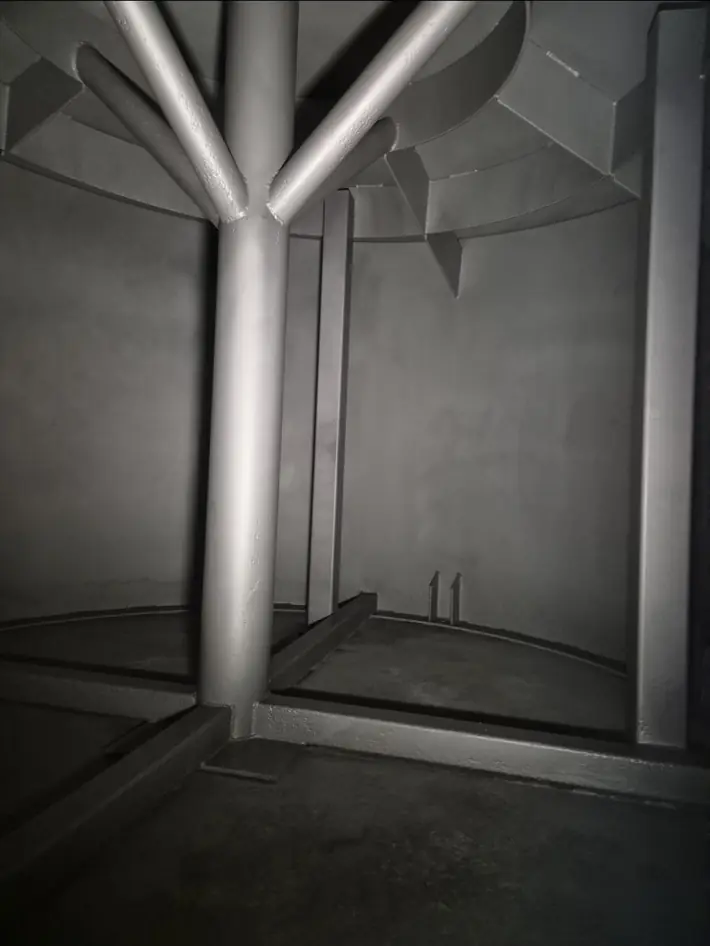
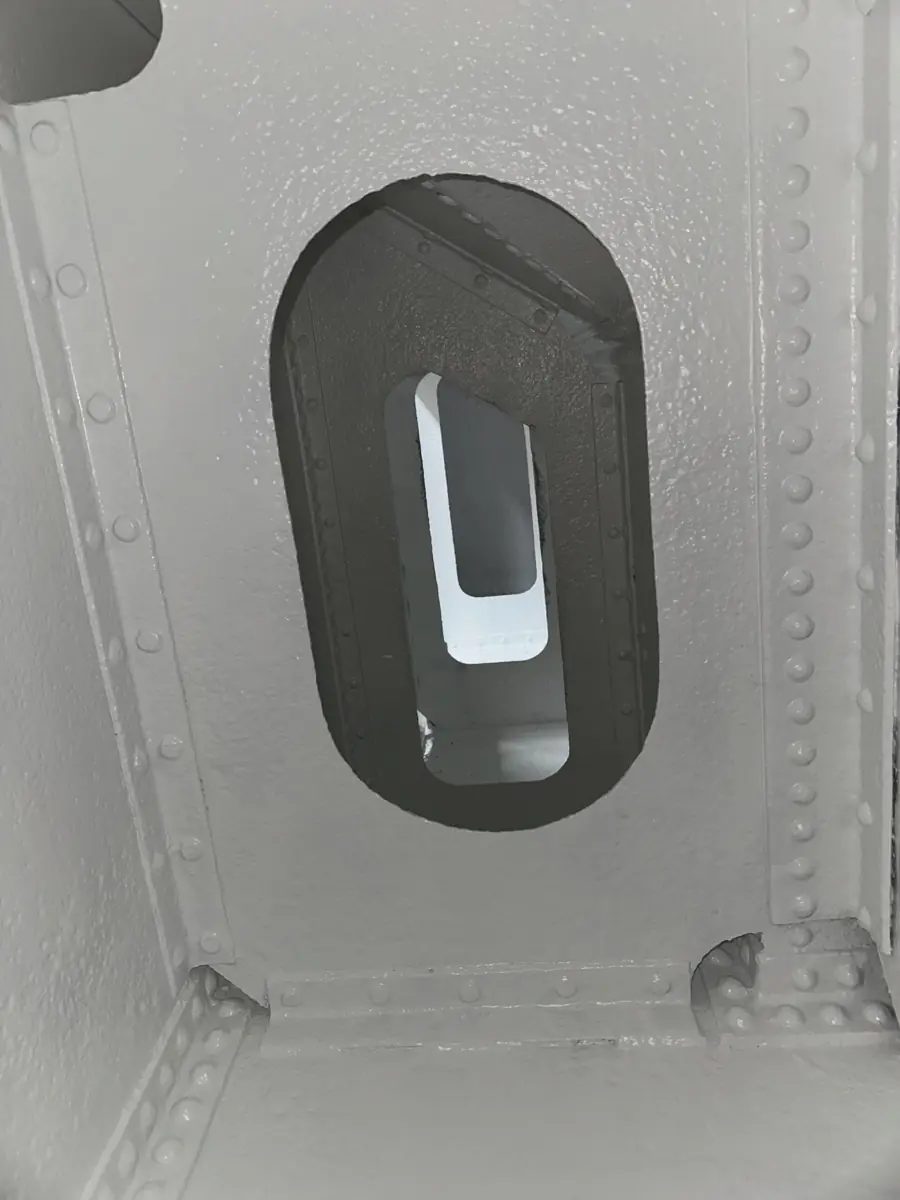
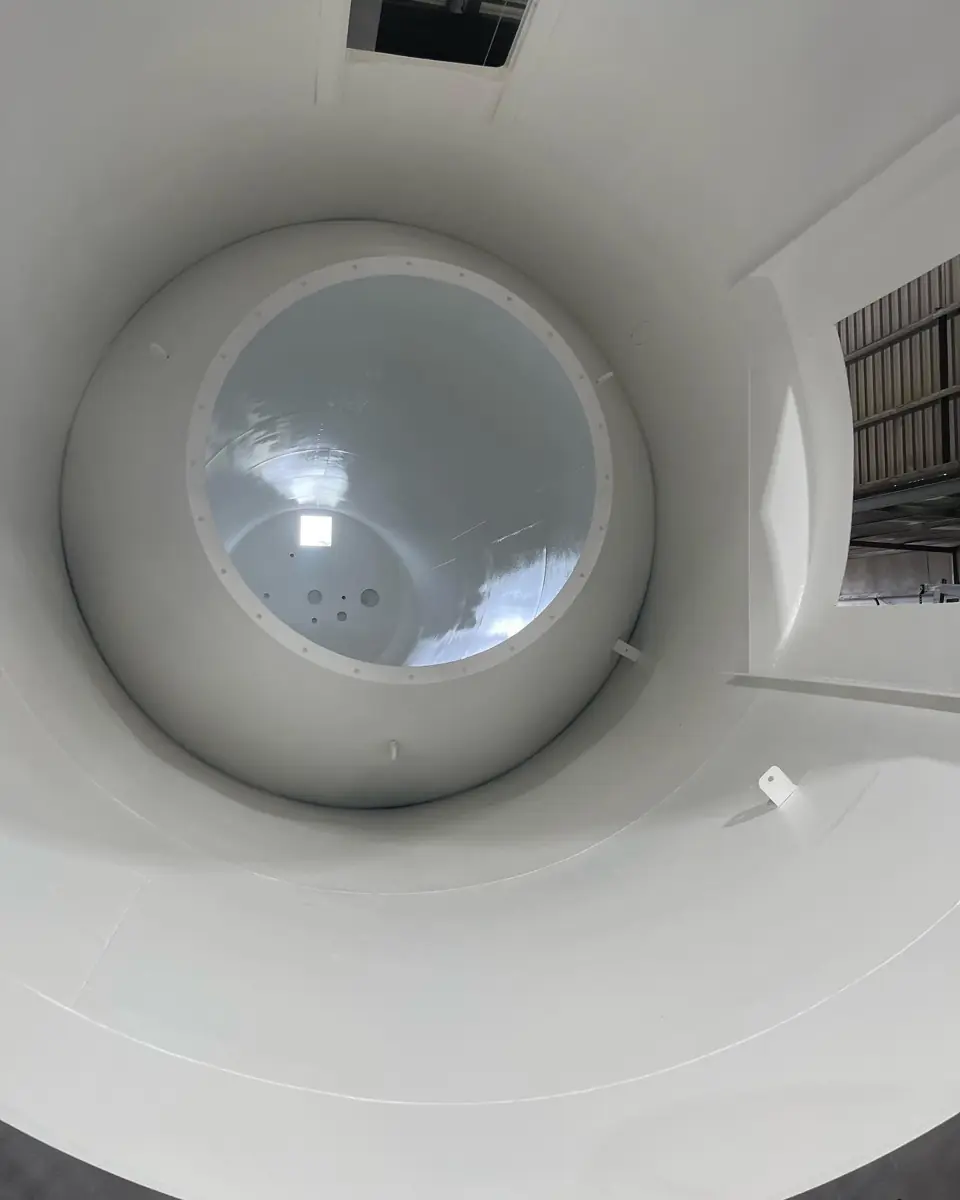
Internal work can involve cylindrical tanks, vessels, compartments and other suitable industrial spaces. Access openings, stiffeners, support frames and changes in geometry influence how surfaces can be reached and inspected. We review the actual configuration before defining the blasting and coating scope, rather than treating every enclosed asset as the same job.
Establish the entry arrangements
Planning starts with the asset history and site-specific assessment. Whether entry can be avoided, isolation, permits, atmospheric testing, standby communication and a practicable rescue arrangement are addressed before entry. The asset owner and contractor coordinate responsibilities; required controls and suitable personnel must be available before the work proceeds.
Extraction, ventilation and visibility
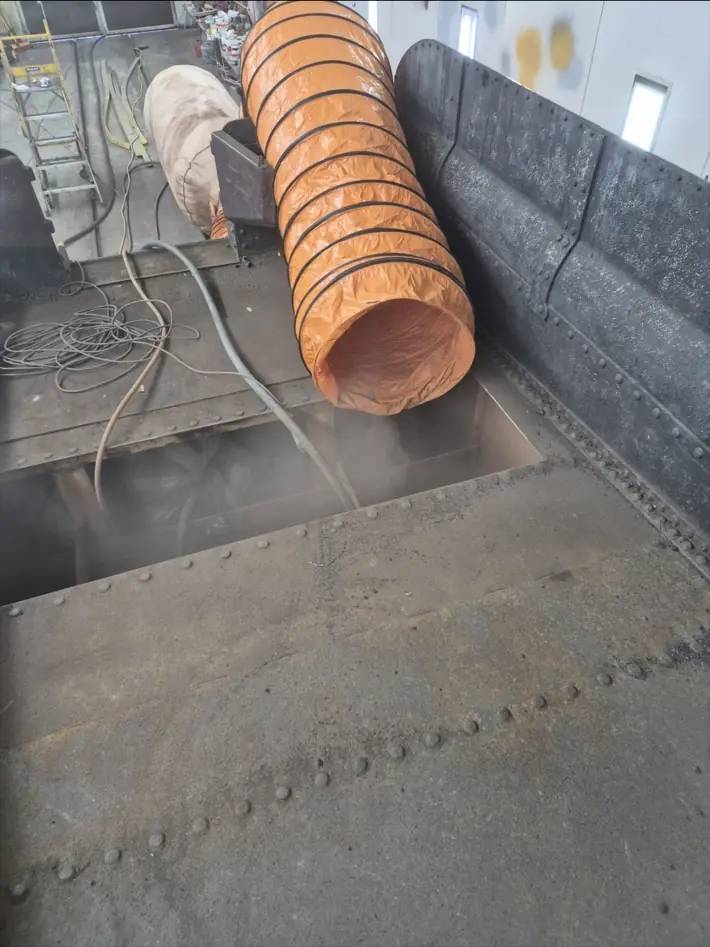
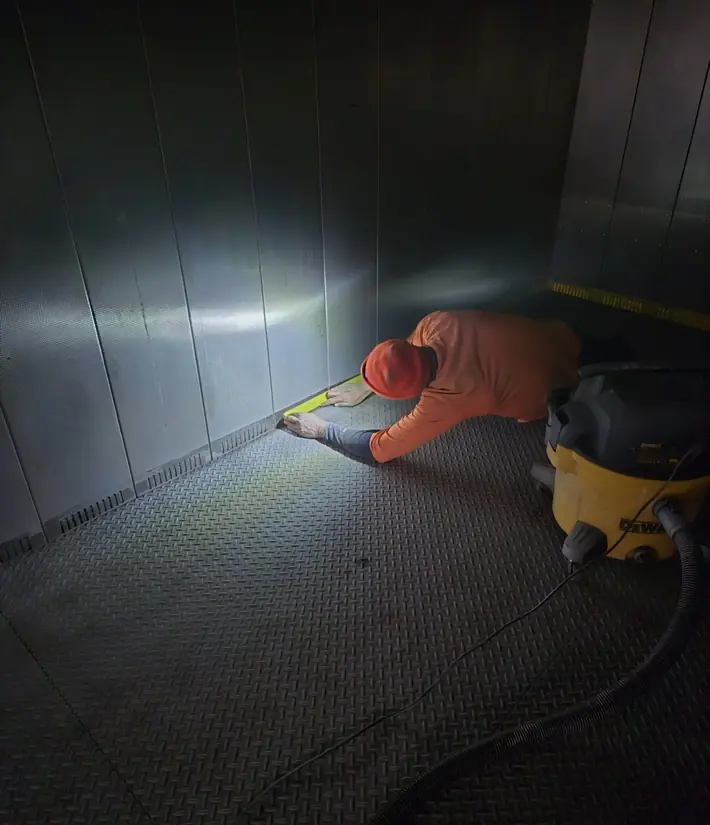
Blasting dust and coating vapours affect the internal environment. Extraction and ventilation are planned for the space, process and product requirements, alongside atmospheric monitoring and appropriate respiratory protection. Ducting, hoses and lighting are arranged with access and egress in mind. Controls are reviewed as the work changes from preparation to application and curing.
Pre-cleaning and abrasive preparation
Existing coating, corrosion and contamination are assessed before the removal method is selected. Steel blasting follows the specified cleanliness grade and profile range for the lining system. Oil and grease are addressed before blasting; pits, welds, stiffeners and recessed details receive particular attention. Newly exposed defects or repair needs are reviewed before coating proceeds.
Inspection before the first coat
A prepared internal surface needs to be inspected before primer conceals it. Agreed checks can include visual cleanliness, replica tape profile, dust and specified surface contaminants. Abrasive oil and compressed-air checks may be included in the ITP. The ASTM D7393 abrasive vial test indicates oil contamination and is not a soluble salt test.
Stripe coating around internal details
Welds, corners, edges, brackets and supports can be difficult to cover consistently. Where specified, stripe coating works material into these details in the sequence required by the coating schedule. It supplements the full coats. Areas obscured by access equipment or supports are included in the work sequence so they can be completed and inspected.
Linings matched to the service environment
A tank lining must suit its intended contents and exposure. Product selection considers immersion, chemical service, operating conditions and the substrate. The nominated system establishes products, number of coats, film thickness and cure requirements. Potable-water, food-contact or other specialised service requires the relevant product approvals and project requirements to be confirmed; a general industrial coating is not assumed suitable.
Application, recoat windows and cure
Components, mixing ratio, induction time where applicable, permitted thinning and pot life follow the product data sheets. Application method is selected around the geometry and approved product limits. Environmental conditions, wet film build and recoat intervals are monitored as specified. Ventilation requirements continue through curing in accordance with the product and work arrangements.
Film thickness and specified additional tests
Dry film thickness is checked against the nominated measurement and acceptance method, with locations and results recorded as required. Internal supports and changes in geometry are considered when planning readings. Adhesion or coating continuity testing is included only where specified and appropriate, with the test method, locations and any repairs agreed before testing.
Internal concrete preparation where required
Where the agreed scope includes concrete rather than steel, preparation is matched to the selected coating or lining and its required Concrete Surface Profile. Soundness, residual coating, contamination and moisture requirements are addressed with the project team. Steel blast classes are not used as acceptance criteria for concrete surfaces.
Recovery, final inspection and handover
Spent abrasive and loose residue are recovered within the agreed cleanup scope. Final inspection reviews coverage, thickness, visible defects and specified testing, with corrective work rechecked before closeout. Cure requirements are confirmed before return to service; entry controls remain applicable for any later inspection or re-entry. The agreed inspection and coating records form the handover package.
Information for a confined space quote
Send photographs of the interior and openings, dimensions, asset location, substrate and the existing coating condition. Include contents history, the intended service, coating specification, shutdown window and available access information. Tell us what isolation, cleaning, entry, rescue and waste arrangements the site provides so the remaining responsibilities can be scoped.