0449 729 797sales@sandblastsydney.com.au
Home / Services / Protective Coatings
Aeroblast services · Sydney

Protective Coatings

Specified industrial coating systems with controlled preparation, application and inspection.

Discuss your project
The service

Practical preparation, clear scope.

Protective coating performance depends on preparation, compatible products, the application method and the conditions during curing. We work to the nominated coating schedule and manufacturer data sheets.

Typical work

  • Primers, intermediate and finish coats
  • Stripe coating and film thickness checks
  • ITPs, inspection records and handover

Every surface and site is different. We confirm the preparation target, protection of surrounding areas, finish and inspection requirements before work proceeds.

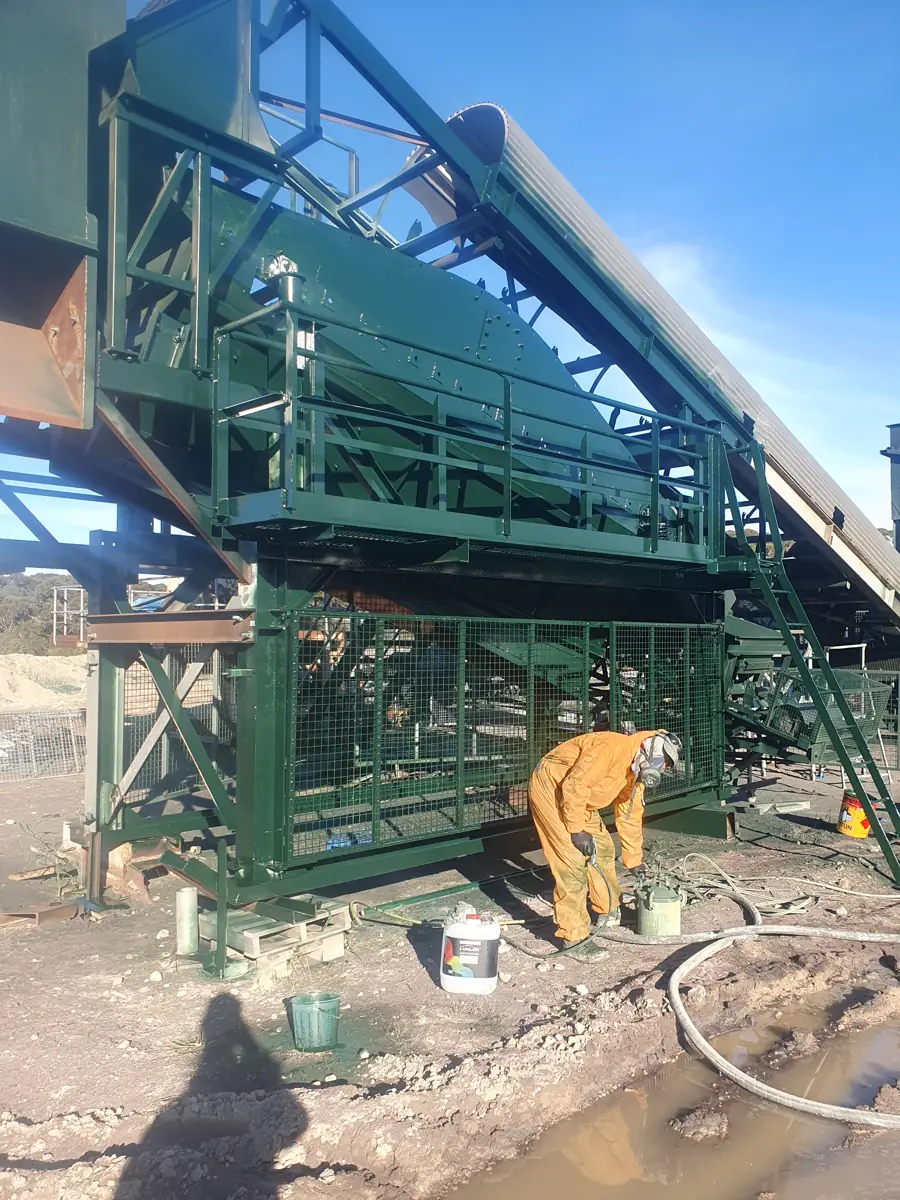
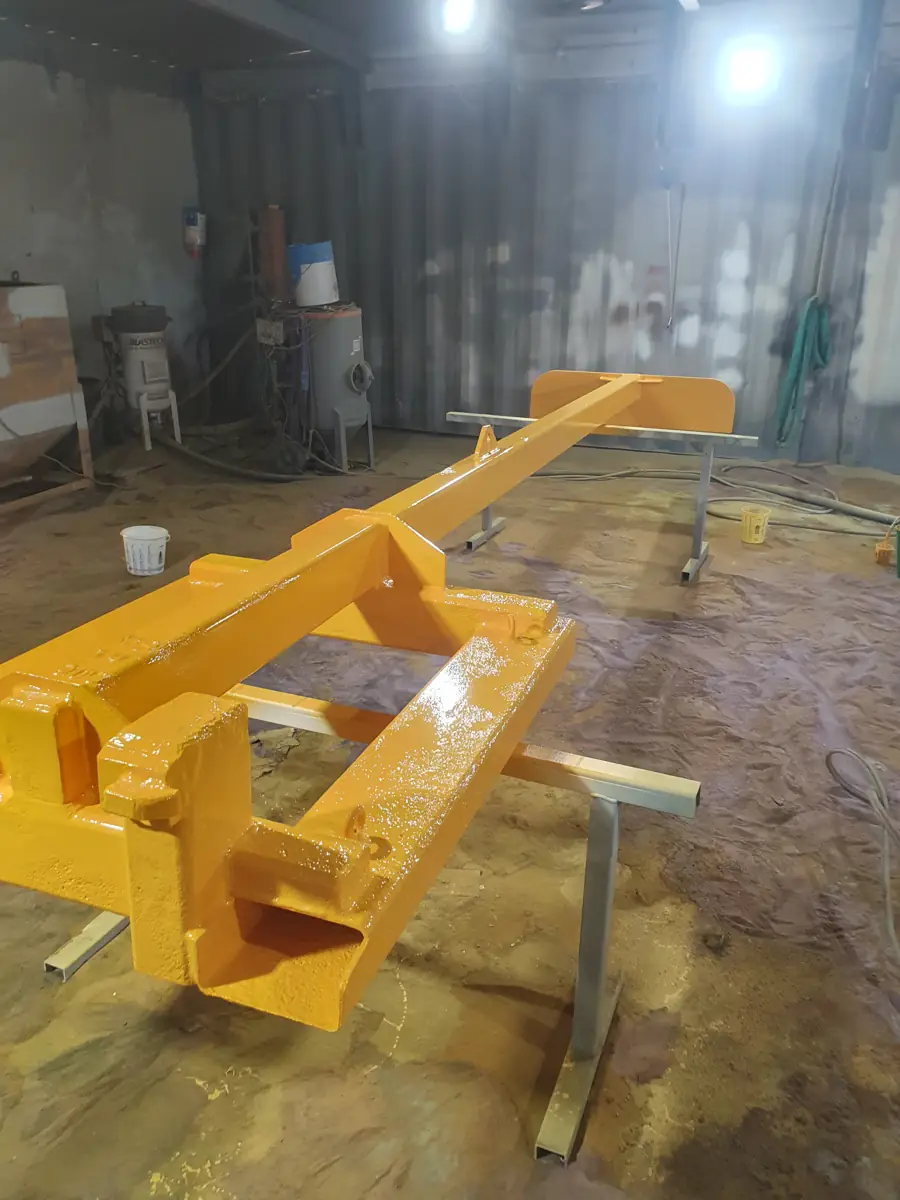
Aeroblast protective coatings project

System selection and exposure

The primer, intermediate and finish coat schedule is matched to the project exposure and substrate. Epoxies, zinc-rich primers and polyurethane finishes may form part of a nominated system, but the exact products, number of coats and thicknesses follow the specification and manufacturer recommendations.

Mixing, thinning and application

Coating components, batch details, mixing ratio, induction time, pot life and authorised thinning are controlled for each product. Spray, brush or roller application is chosen only where the data sheet and scope permit it. Application temperatures, cure conditions and recoat intervals are tracked.

Stripe coats and coating continuity

Edges, welds, bolts, sharp corners and difficult access points receive stripe coating where specified. Each full coat is applied to the required build, with the previous layer inspected and any contamination or defects addressed before overcoating.

Wet and dry film thickness

Wet film checks help control application; cured dry film checks verify the applied system. Gauge verification and the effect of substrate roughness are handled using the selected measurement method. AS 3894.3, ASTM D7091, SSPC-PA 2 or ISO 19840 may be nominated; their sampling and acceptance rules are selected explicitly.

Inspection and handover

The methodology and ITP set out preparation release, application checks and final inspection. Records can include conditions, product batches, profile, stripe coats and film thickness. Adhesion or holiday testing is included only when specified, using an appropriate method for the coating and substrate.

A complete coating schedule

A useful specification identifies the substrate, exposure, preparation grade, profile range, products, coat sequence and required film thickness. Colour and gloss are also confirmed where the finish is visible. Internal and external service can require different systems. Product substitution or a change in application method is reviewed against the project requirements before the revised schedule is used.

Preparation release is a hold point

Primer application follows inspection of the prepared surface where the ITP requires release. Checks can cover cleanliness, profile, dust, specified contaminants and condensation risk. Surface temperature is compared with the relevant application limits and dew point requirements. A passing thickness reading at the end of the job cannot compensate for inadequate preparation beneath the coating.

Control each coat, not just the final total

Each layer is applied within its product limits, with attention to wet film build, difficult geometry and the specified recoat window. Stripe coats help cover details such as welds, edges and bolt heads when required. Runs, pinholes, contamination, missed areas and other defects are reviewed before the next layer, with repairs carried out using the agreed method.

Cure, repair and return to service

Dry-to-touch, readiness for recoating and full service cure are different stages. The product requirements and actual conditions determine when the coated asset can be handled or returned to its intended environment. Final inspection identifies areas needing repair and rechecking. The agreed closeout package may include product batches, environmental readings, thickness results, inspection reports and outstanding items.

Aeroblast projects

See the work. Explore the detail.

Large-scale plant and asset protection

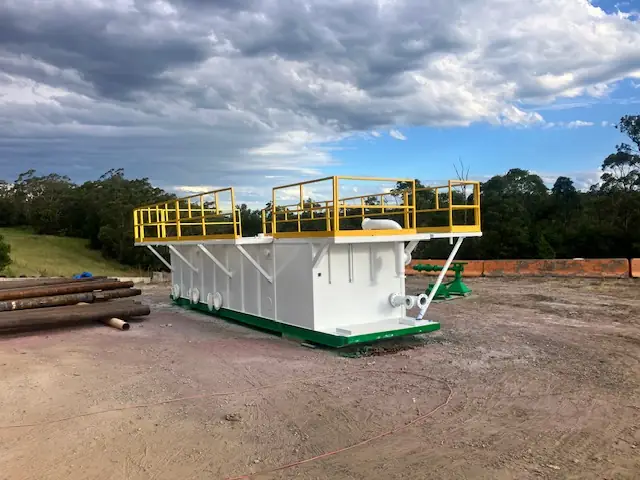
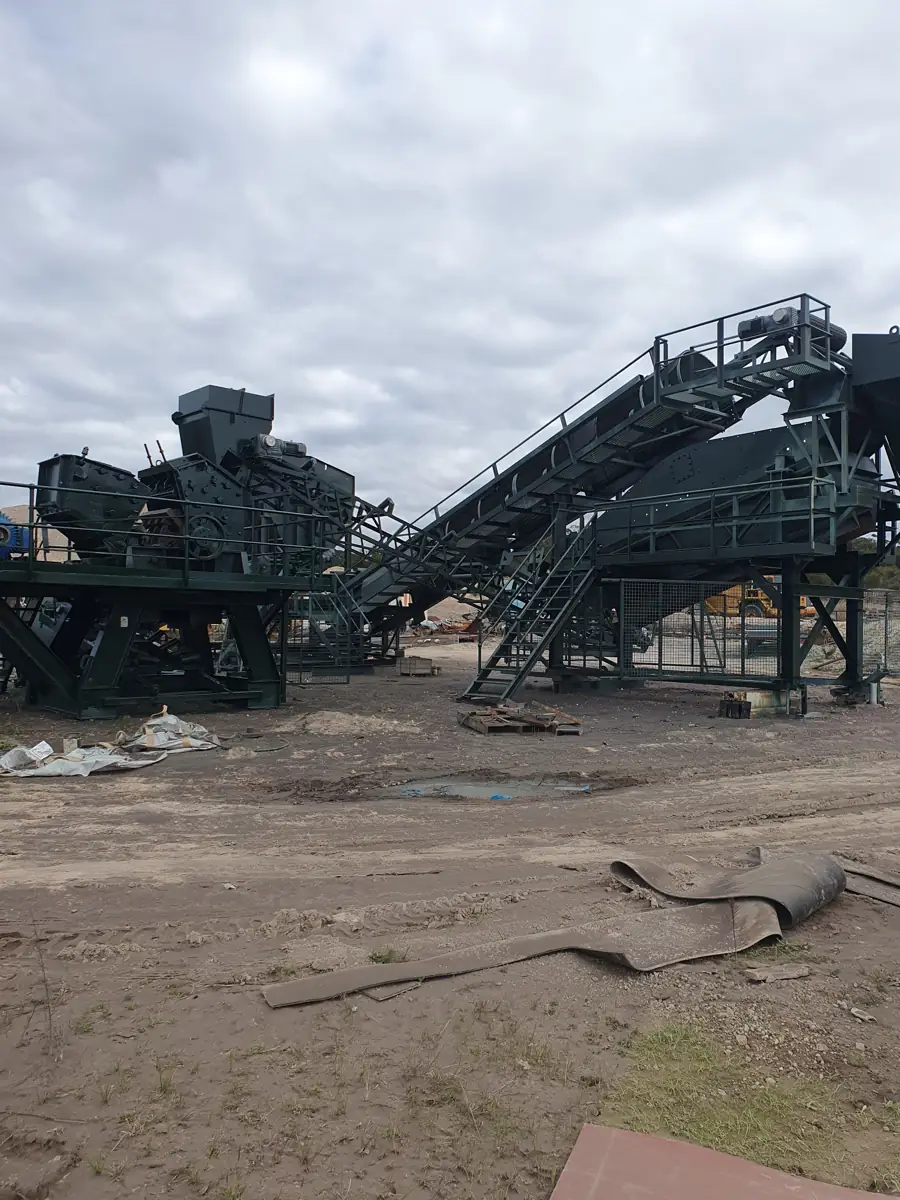
Protective coating project on quarry plant
Protective coating work on quarry plant
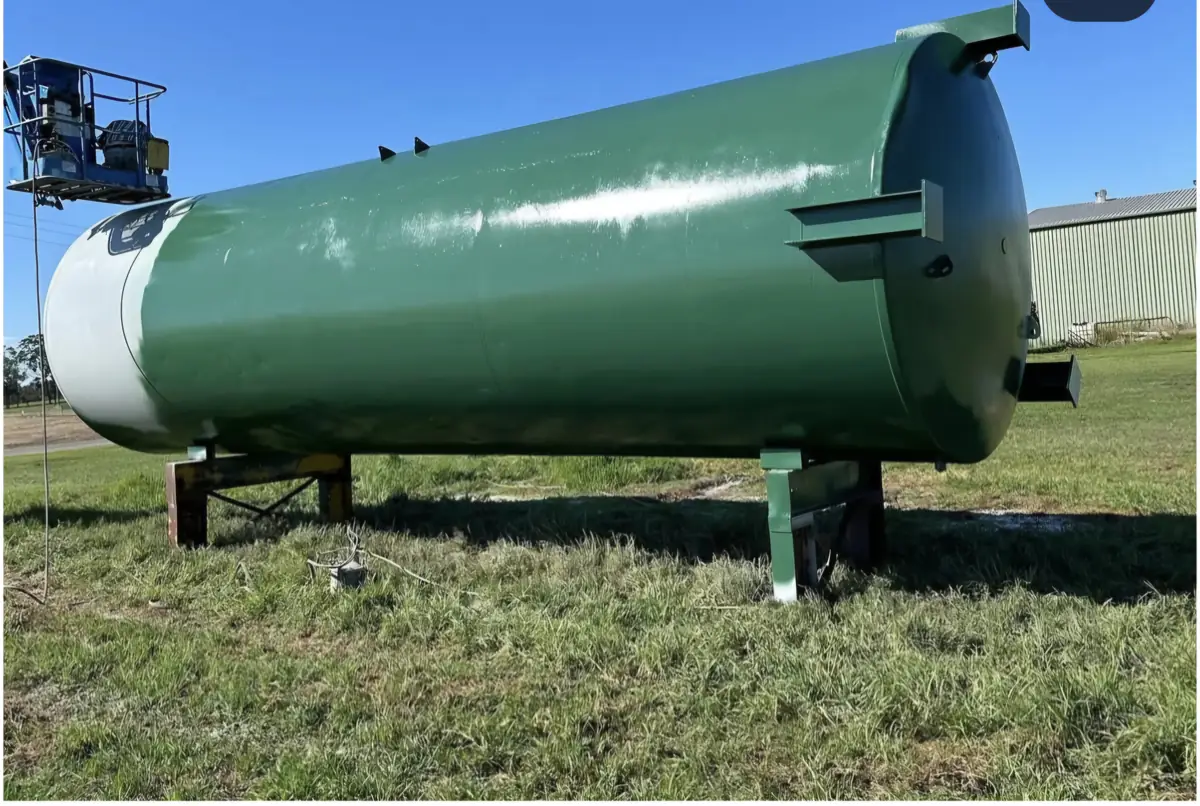
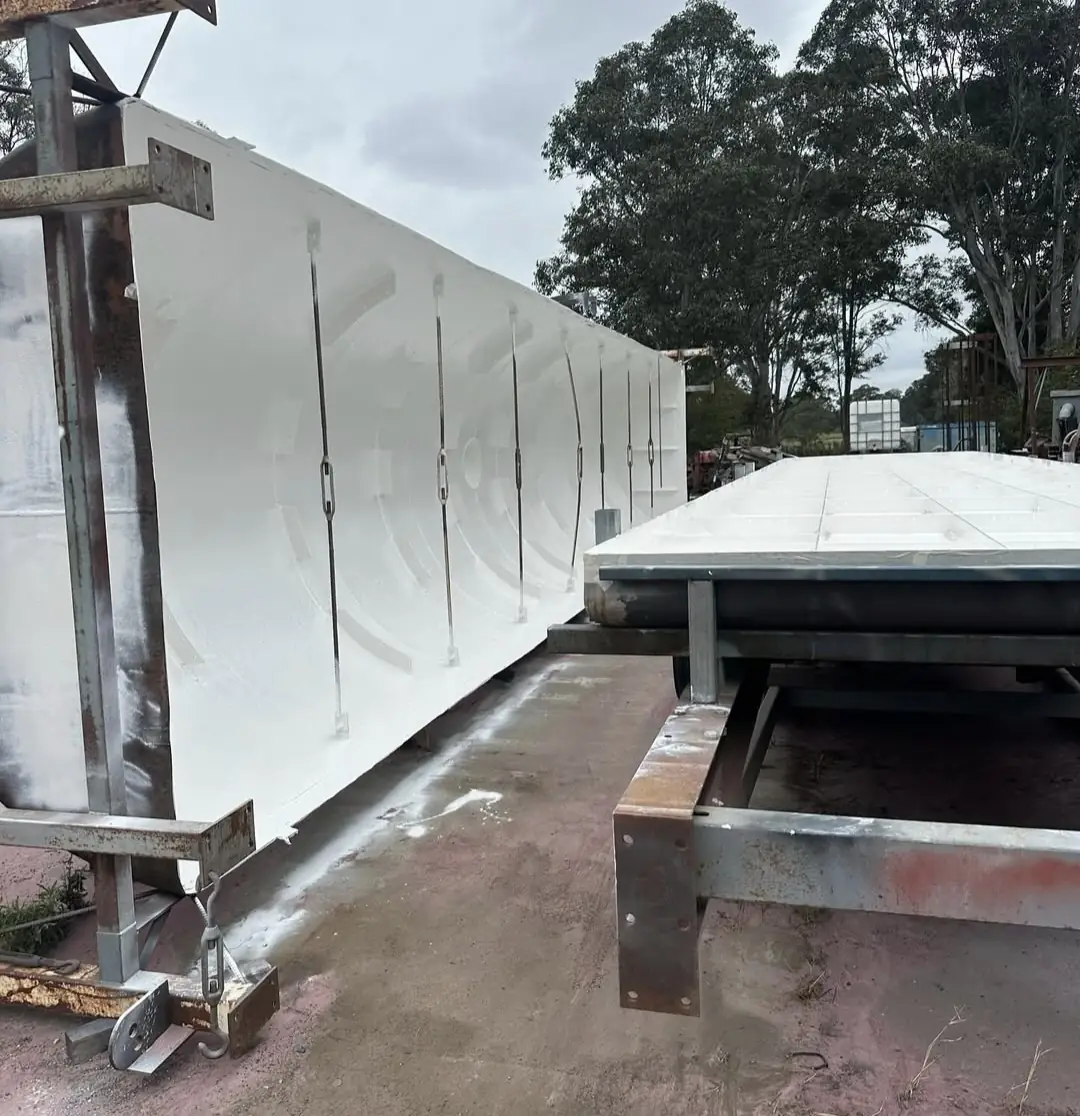
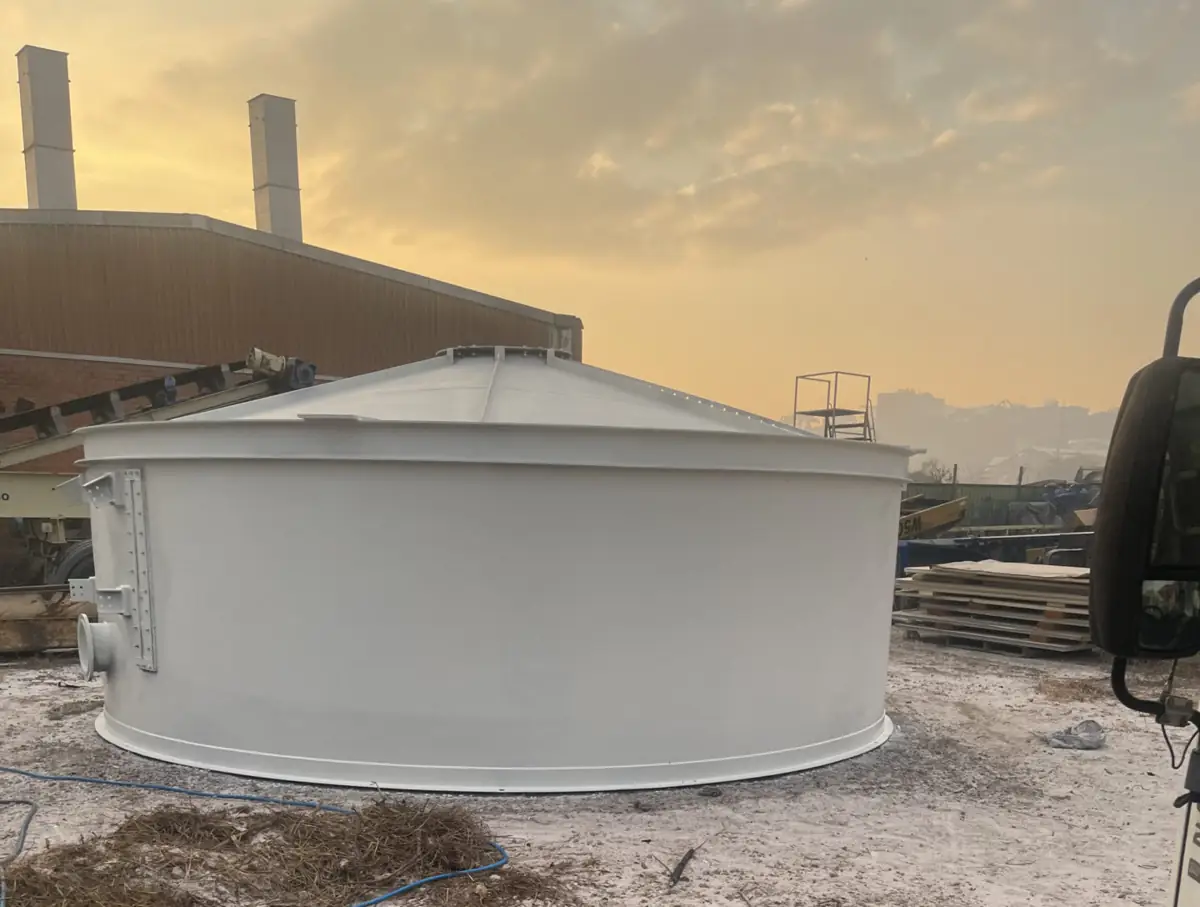
Protective coating finish on a large steel tank
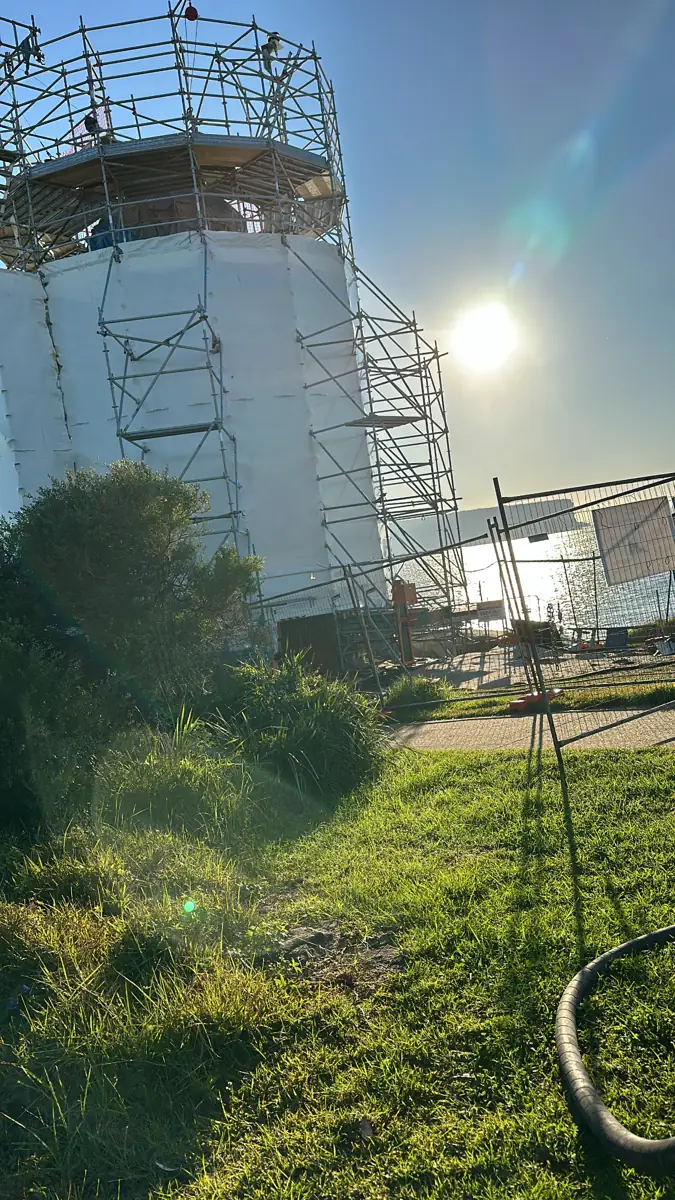
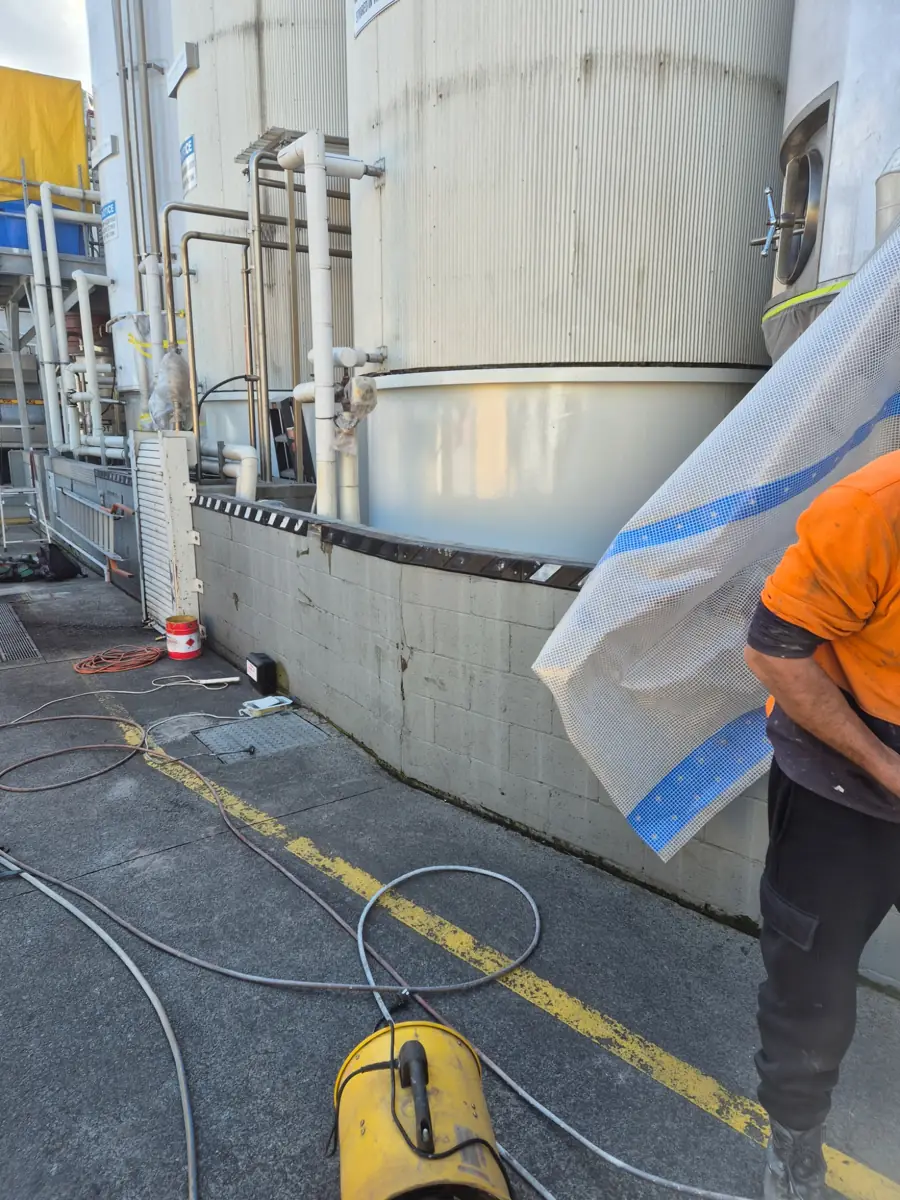
Industrial silo project with scaffold access
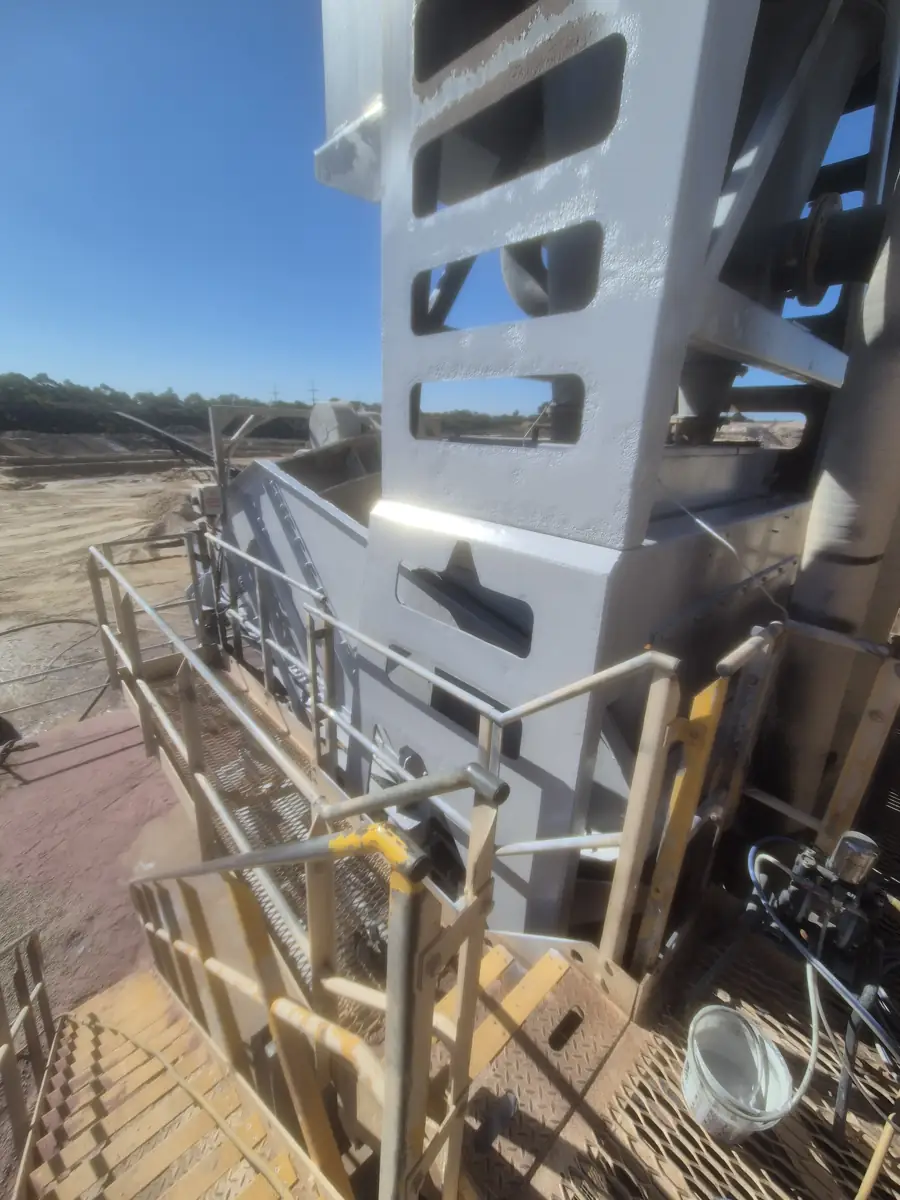
Coating work on elevated industrial steelwork
Large coated steel components

Coating finishes and structural details

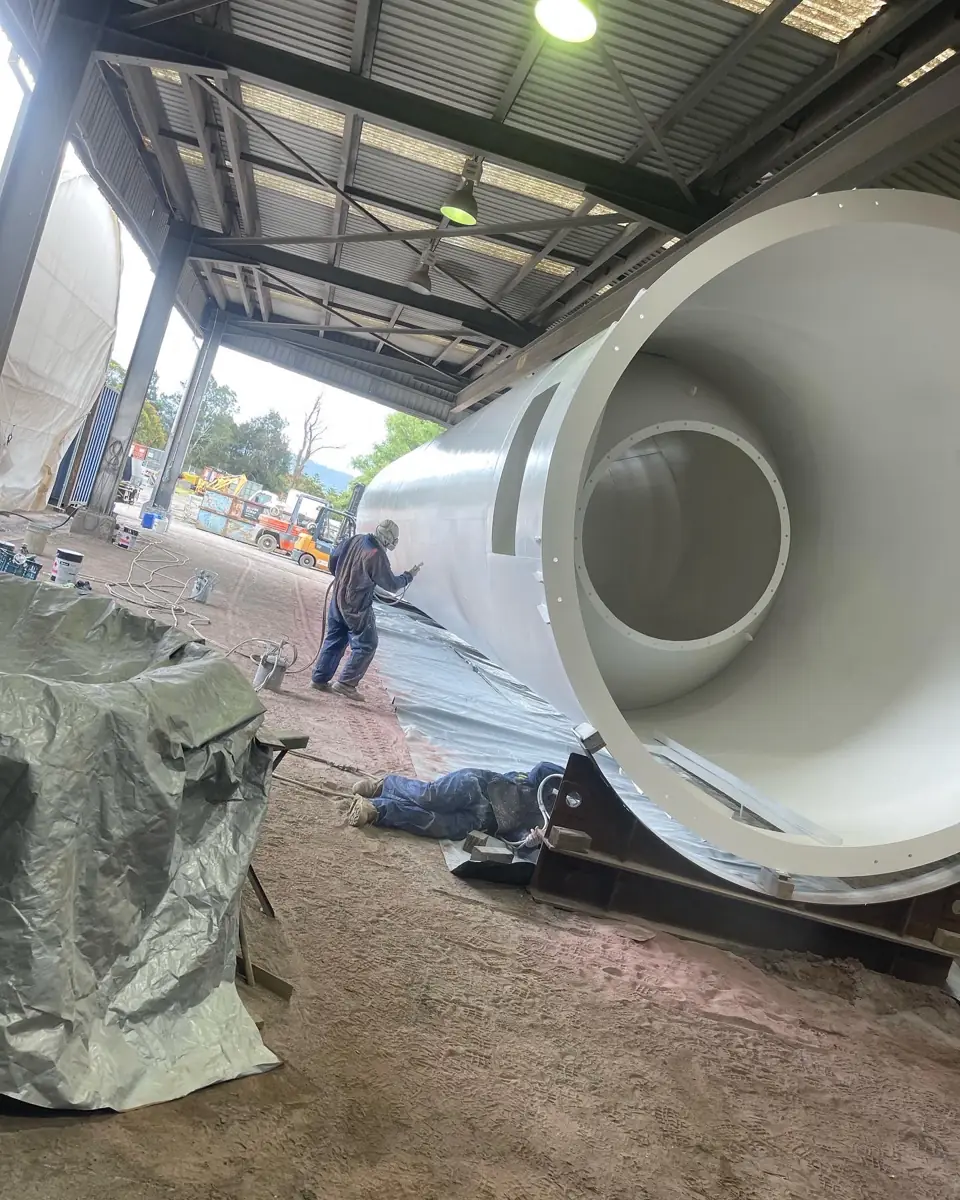
Coating application on a large assembly
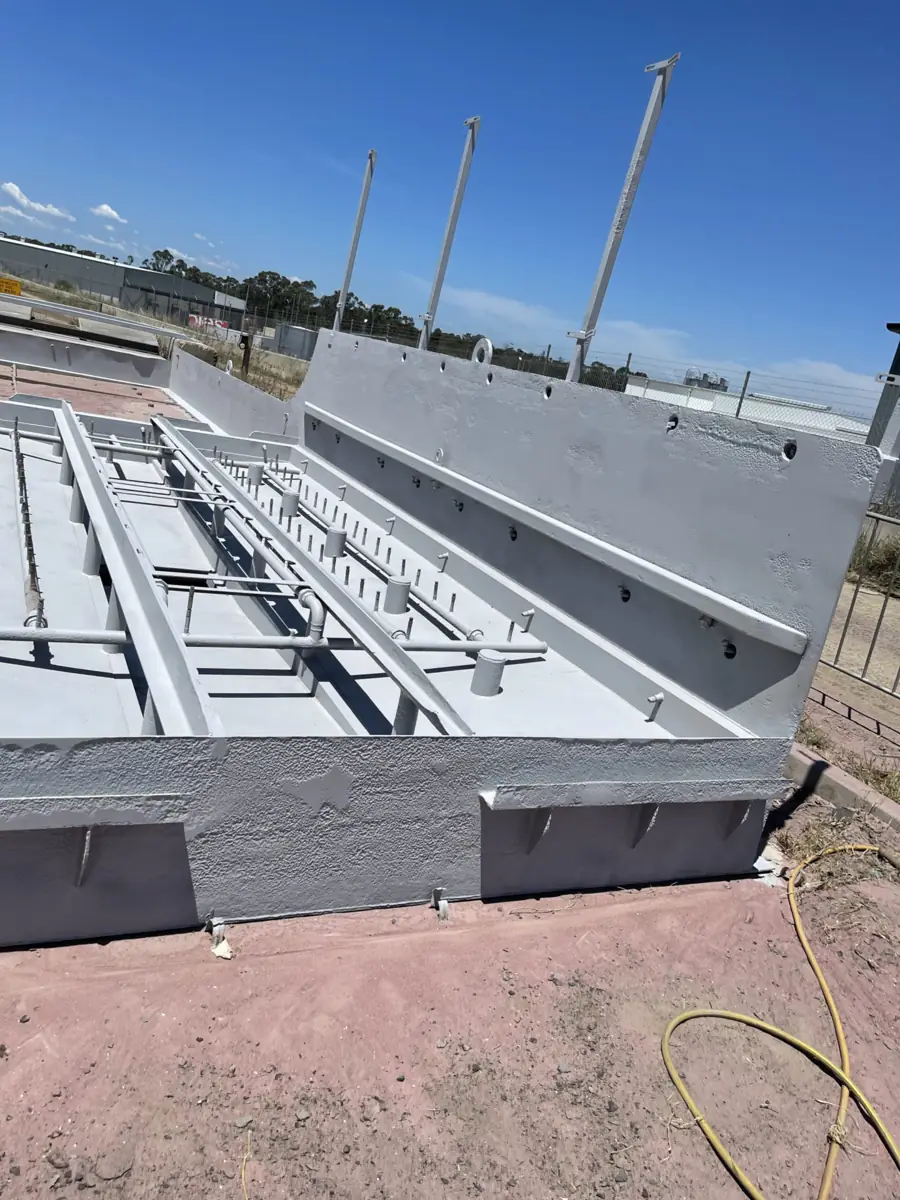
Protective coating work on industrial tank steelwork
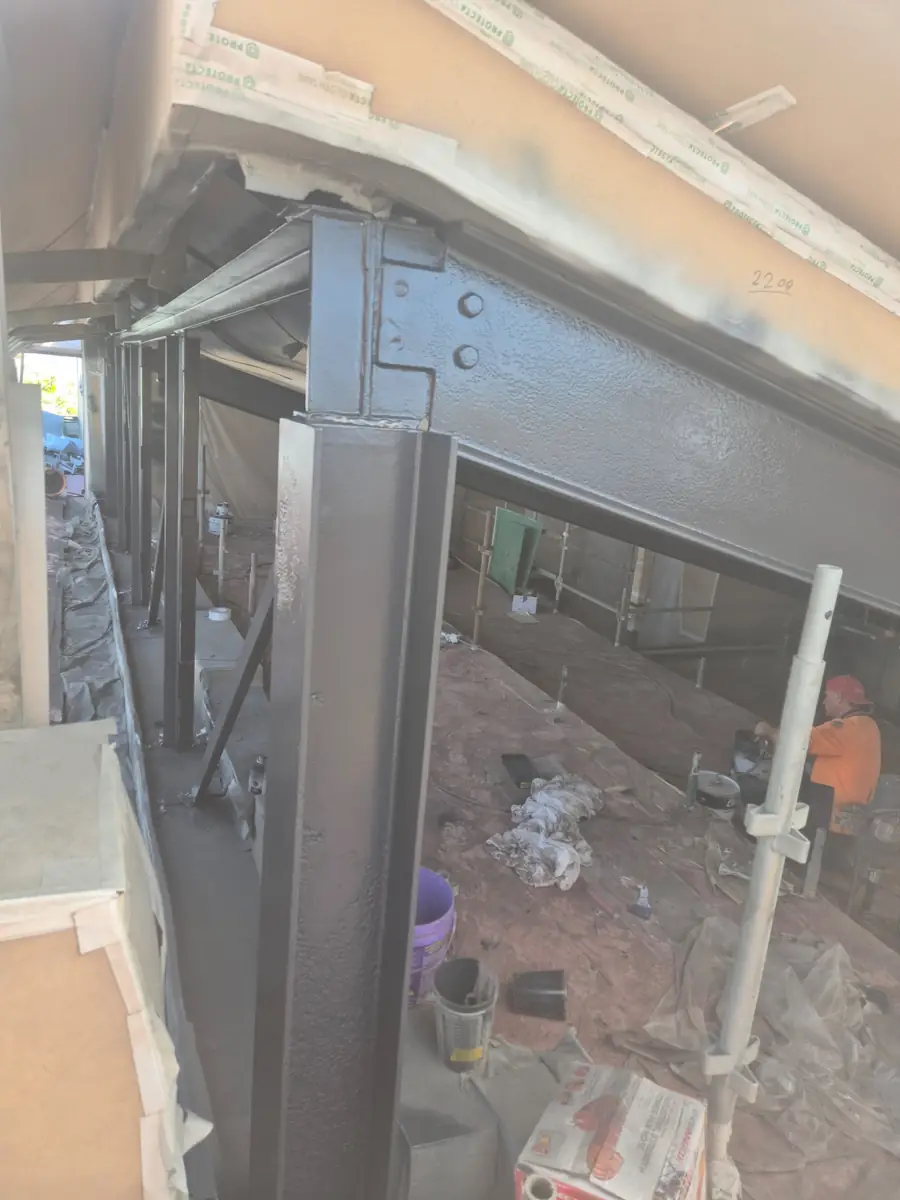
Protective coating on structural steel details
Finished steel assembly
Coated circular steel assembly
Coated structural steelwork
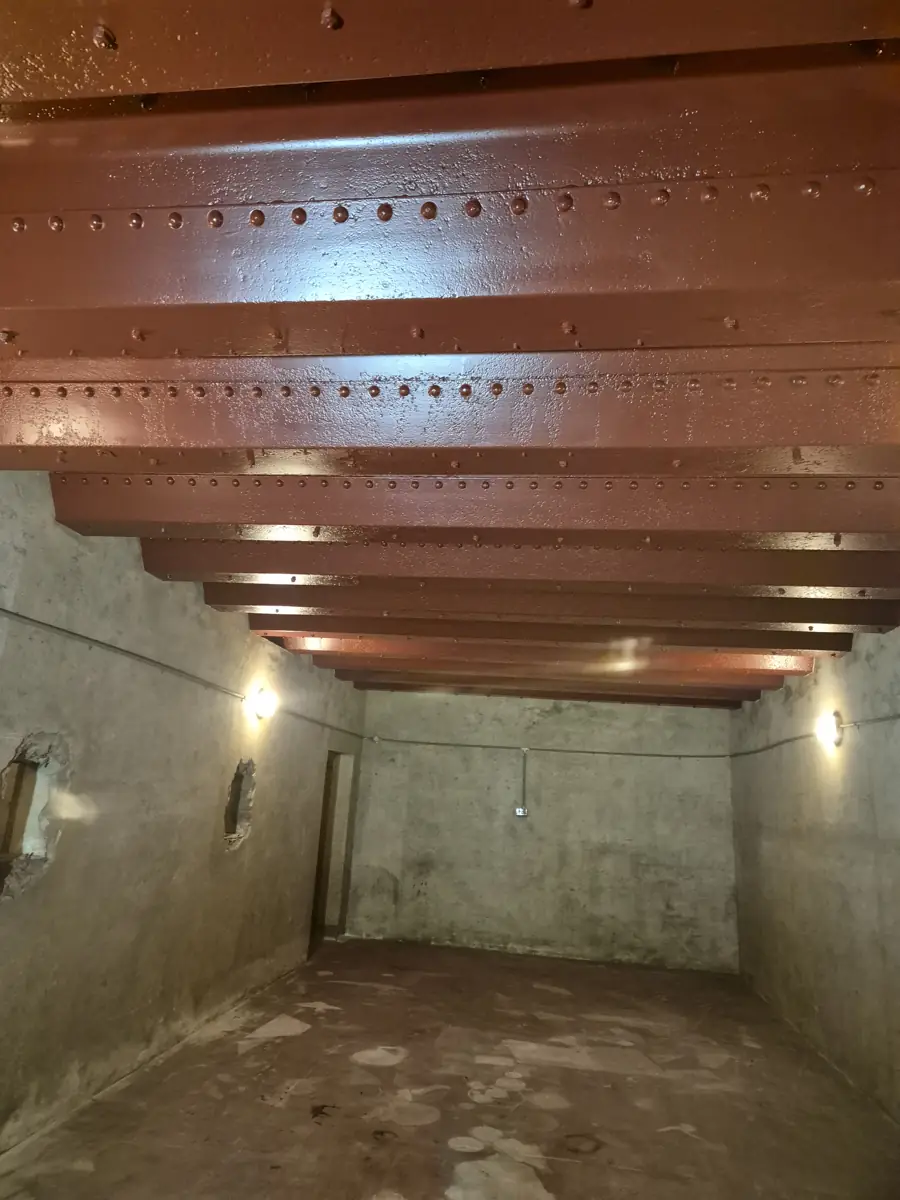
Coated steel ceiling structure
Yellow coated steel fabrication
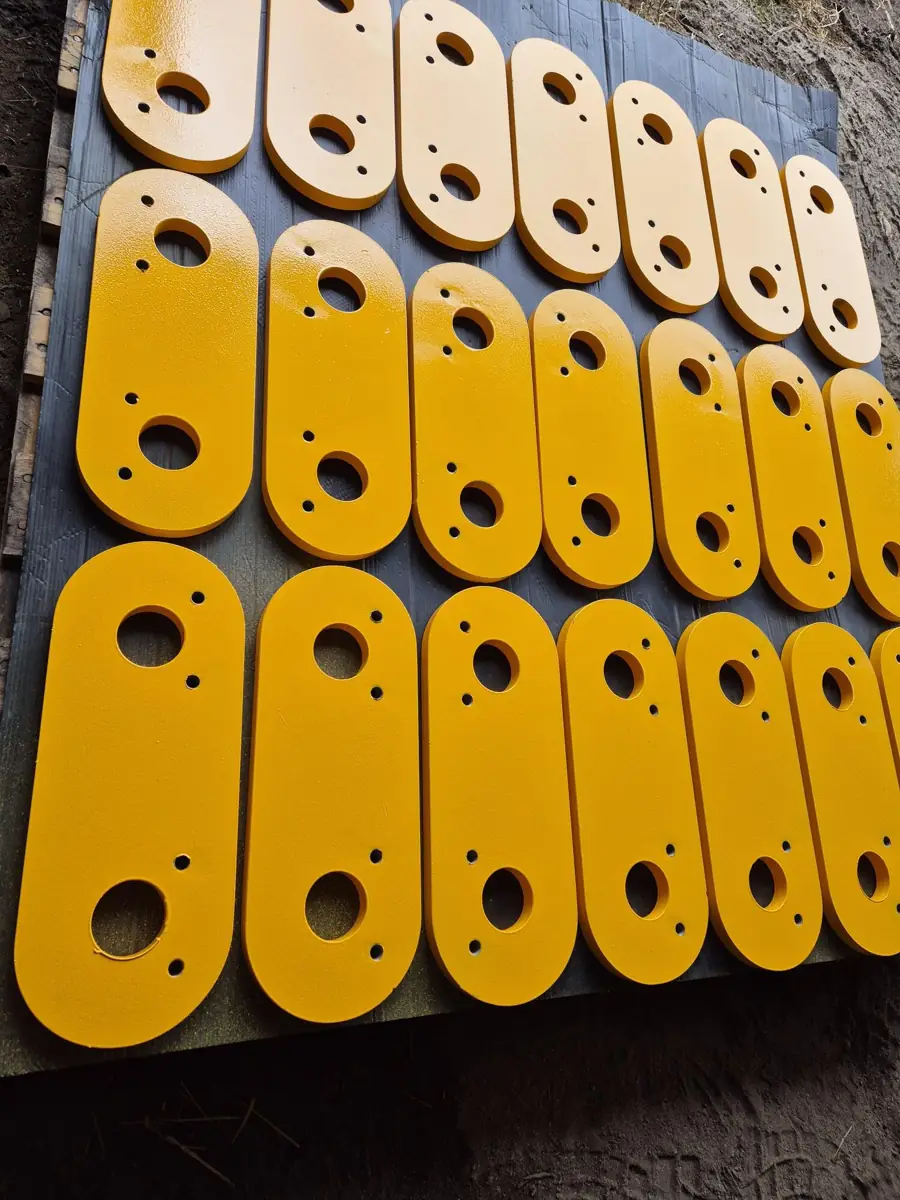
Batch of coated steel components
Method

How the work is approached.

01

Confirm the system

Review substrate, exposure, primer, intermediate and topcoat requirements, recoat windows and target dry film thickness.

02

Apply deliberately

Mix and apply as specified. Stripe coat edges, welds and sharp corners when required, then apply the full coats by the suitable method.

03

Verify and record

Monitor ambient conditions, wet film thickness during application and dry film thickness after cure as required by the ITP.

Project considerations

What affects the result.

  • Coating selection should reflect the asset exposure and the project specification.
  • Existing coatings may require compatibility assessment before overcoating.
  • Access, weather, cure time and return-to-service dates affect the work sequence.
Quality & handover

Agree the benchmark first.

AS/NZS 2312.1 provides guidance for atmospheric corrosion protection of structural steel. Relevant parts of AS/NZS 3894 support site testing; final acceptance follows the specified system and manufacturer data sheets.

Project-specific inspection frequency, acceptance criteria and documentation are confirmed in the scope.

Standards & methods

References selected for the project.

The contract and coating data sheets determine which standards, editions, limits and inspection frequency apply. The following references may be incorporated where relevant.

ReferenceApplication
AS 1627.1Removal of oil, grease and related contamination before preparation.
AS/NZS 2312.1Guidance for atmospheric corrosion protection of structural steel by paint coatings.
ISO 8502-4Assessment of condensation risk before coating.
AS 3894.7Determination of substrate surface temperature.
AS/NZS 3894.10Daily surface and ambient condition reporting where specified.
AS 1627.4 / AS 1627.2Specified abrasive blast or power tool preparation for the selected coating system.
ISO 8501-1Visual preparation assessment before coating.
AS 3894.5Site determination of surface profile using the applicable method.
ISO 8503-5Replica tape measurement of blast-cleaned steel profile.
AS 3894.3Dry film thickness determination.
AS/NZS 3894 series — relevant partsSpecified site checks and records for protective coatings; wet film checks also follow the product and gauge requirements.
ASTM D7091Non-destructive dry film thickness measurement and instrument use.
SSPC-PA 2 / ISO 19840Alternative specified approaches to DFT sampling, roughness effects and acceptance; apply the method nominated by the contract.
SSPC-PA Guide 11Guidance for stripe coating edges, crevices and irregular steel details.
AS 3894.9 / ISO 4624Adhesion testing only where specified, with the method and repair of test areas agreed.
AS 3894.1 / AS 3894.2High- or low-voltage continuity testing only where specified and suitable for the system.

Manufacturer TDS/SDS, the agreed methodology, SWMS and project ITP complete the working requirements. Australian and international methods are not automatically interchangeable.

Enquire

Send the details that matter.

Tell us the location, approximate area or dimensions, substrate, existing condition and target finish. Include photos, drawings and a coating specification or ITP if you have them.