0449 729 797sales@sandblastsydney.com.au
Home / Services / Steel Abrasive Blasting
Aeroblast services · Sydney

Steel Abrasive Blasting

Abrasive preparation of steel to the specified cleanliness and profile, on site or at our Austral workshop.

Discuss your project
The service

Practical preparation, clear scope.

Steel preparation is selected around the existing condition and the coating system that will follow. On-site work can suit fixed assets; transportable components can be handled at our Austral workshop.

Typical work

  • Structural steel and fabricated components
  • Tanks, machinery and plant
  • Preparation, profile and contamination checks

Every surface and site is different. We confirm the preparation target, protection of surrounding areas, finish and inspection requirements before work proceeds.

Aeroblast steel abrasive blasting project

Prepare for the coating, not just the appearance

Blasting removes rust, mill scale and existing coatings while creating an anchor profile for the new system. Cleanliness and profile are separate requirements: a visually clean surface can still have an unsuitable profile. The target blast class and profile range are established from the coating specification.

Pre-cleaning and abrasive controls

Oil and grease are removed before blasting to avoid driving contamination into the surface. Media type, grading and condition are selected for the work. Abrasive oil checks under ASTM D7393 and compressed-air oil/water checks under ASTM D4285 can be included in the ITP.

Surface and environmental checks

Visual cleanliness is checked against the specified standard. Replica tape can measure blast profile under ISO 8503-5, with AS 3894.5 providing Australian site profile methods. Ambient and substrate temperature, relative humidity and dew point are monitored where required to assess condensation risk.

Release before primer

After blasting, dust and loose abrasive are removed and the surface is inspected before primer hides it. The ITP can include tests for residual contamination or soluble salts where specified. Any deterioration or recontamination before coating is addressed and the surface rechecked.

On-site and workshop delivery

Fixed structures and plant can be prepared on site; transportable components can be prepared at Austral. Access, masking, containment, abrasive recovery and the preparation-to-primer window are planned as part of the scope.

Condition assessment before production

Initial review identifies corrosion, mill scale, existing coatings, pitting and areas that cannot be reached with normal blasting access. Edges, welds and fabrication defects are considered because surface preparation cannot replace structural repairs. The scope records any grinding, weld treatment, masking or disassembly needed and clarifies who is responsible for those activities.

A defined cleanliness and profile target

The specification sets the preparation class and required anchor profile for the selected primer. Visual assessment establishes the cleanliness grade; profile measurement assesses the surface texture. Both are reviewed before coating release. Where Class 2.5 is specified, work is assessed to the nominated preparation reference rather than accepted solely because the steel appears bright or evenly coloured.

Contamination checks have different purposes

The ASTM D7393 abrasive vial test indicates oil contamination in blast media; it is not a soluble salt test. Compressed-air checks address oil or water in the air supply, while specified surface contaminant tests examine the prepared steel. These checks answer different questions and their frequency, limits and records are established in the project ITP.

Keep the prepared surface ready for coating

Blasted steel is vulnerable to dust, handling contamination, moisture and renewed corrosion. Work areas are staged around inspection access and the planned primer application window. If conditions deteriorate or the surface becomes contaminated, preparation is reviewed again before coating. Profile readings, visual checks and environmental records can form part of the preparation release documentation.

Aeroblast projects

See the work. Explore the detail.

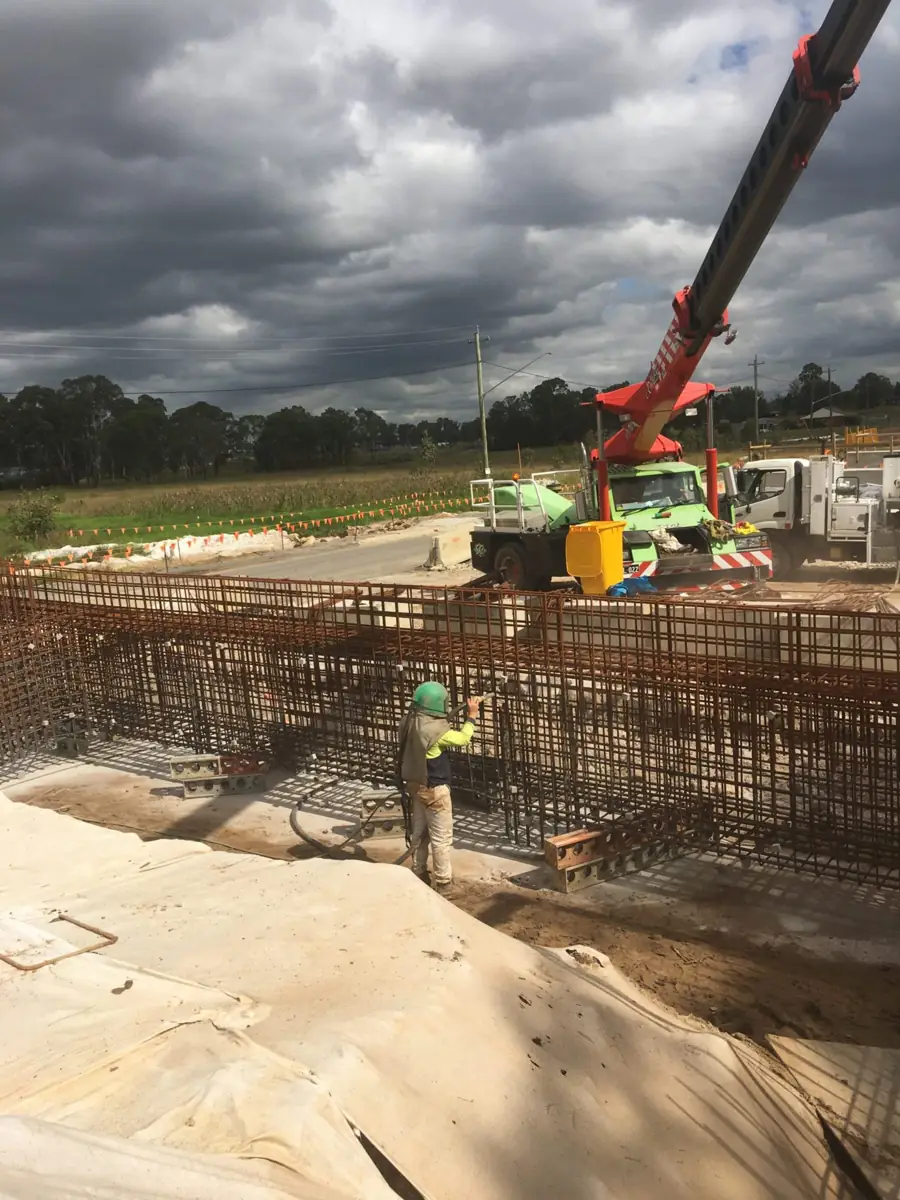
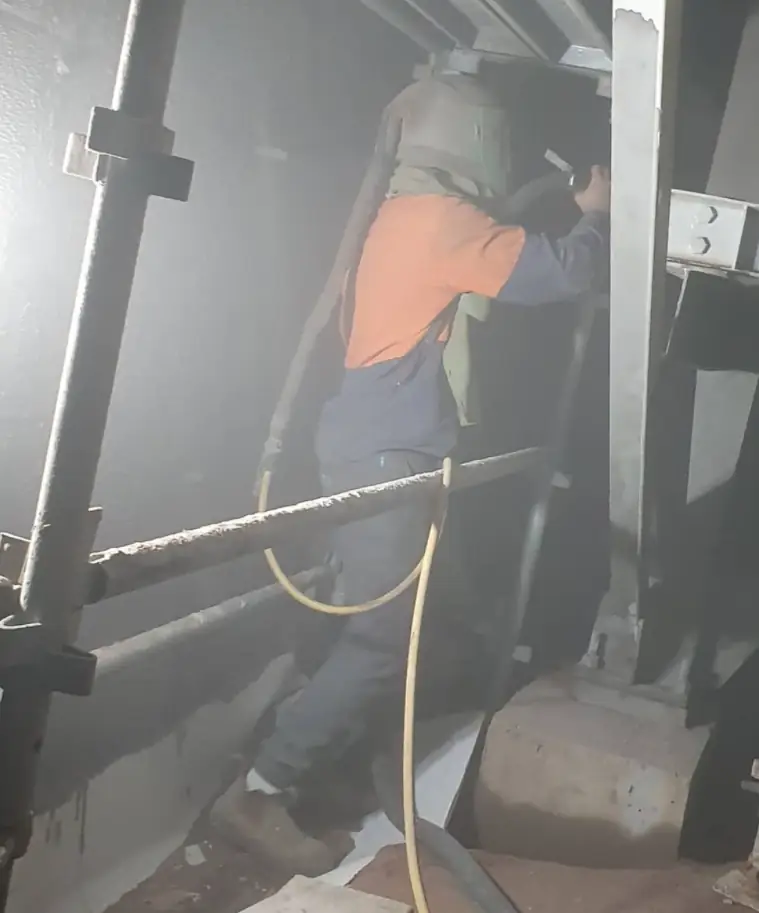
Steel blasting in progress

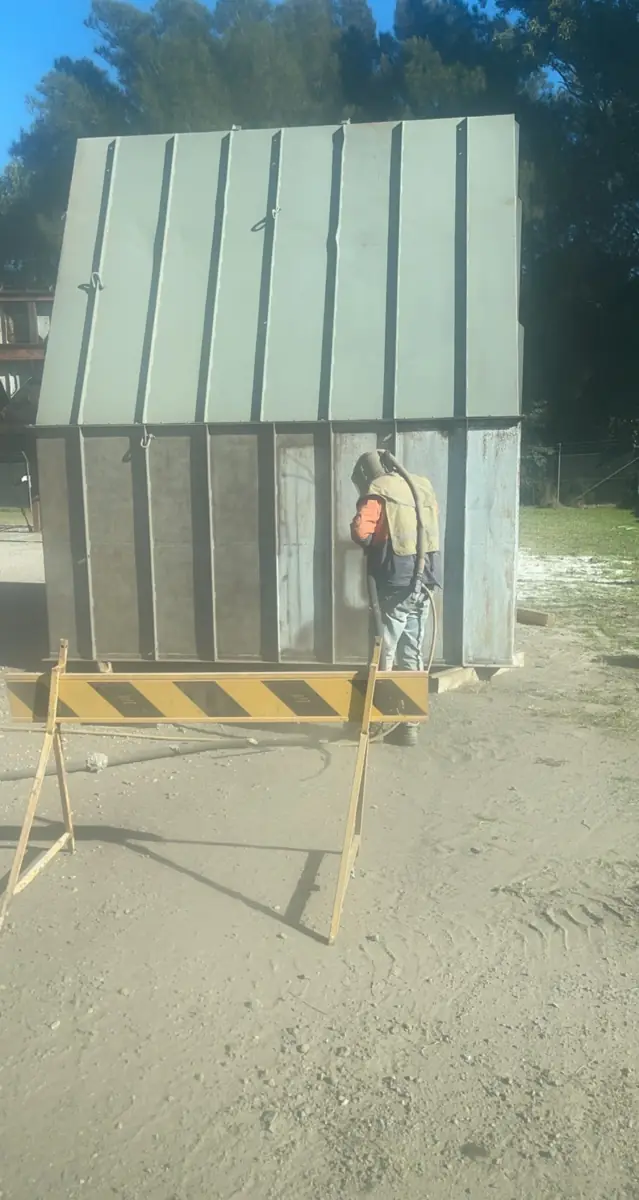
Steel preparation in progress
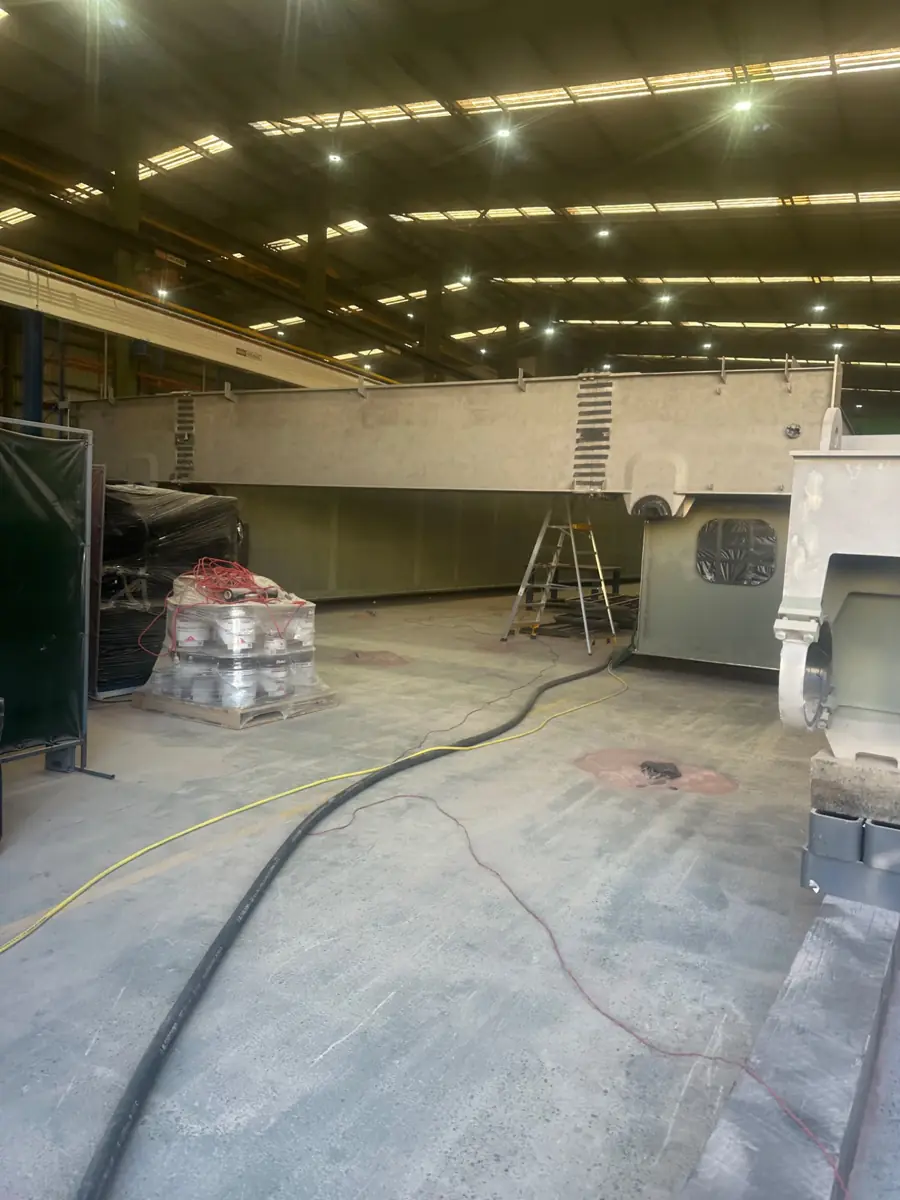
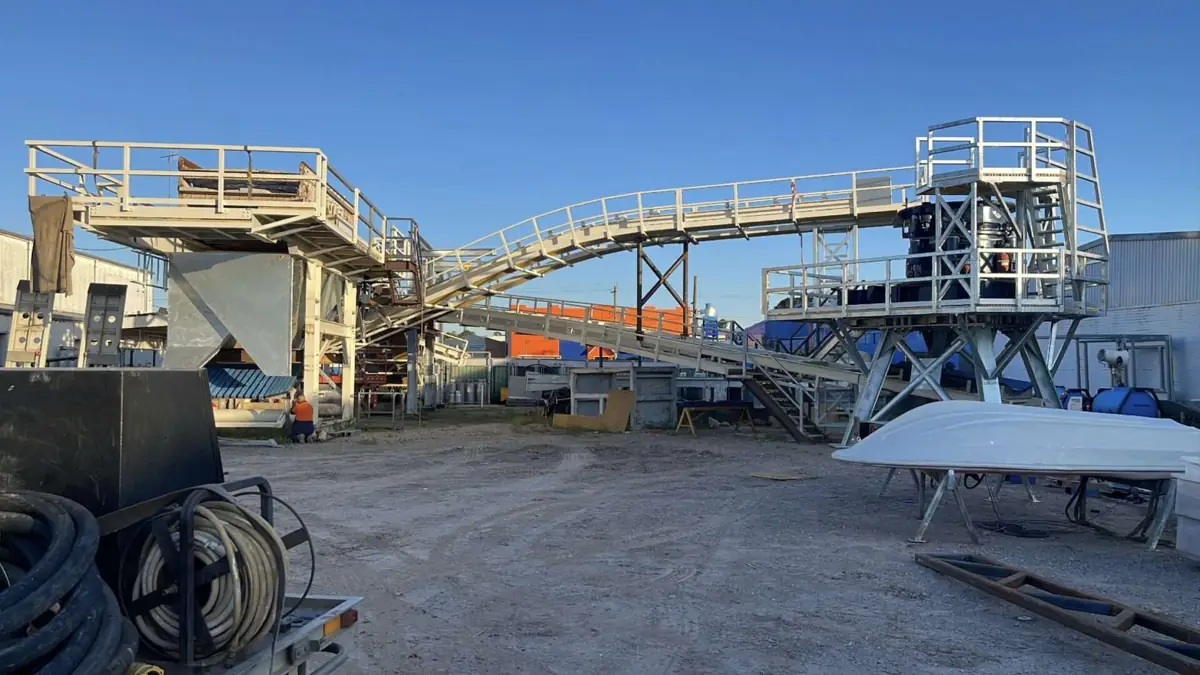
On-site steel preparation on a large structure
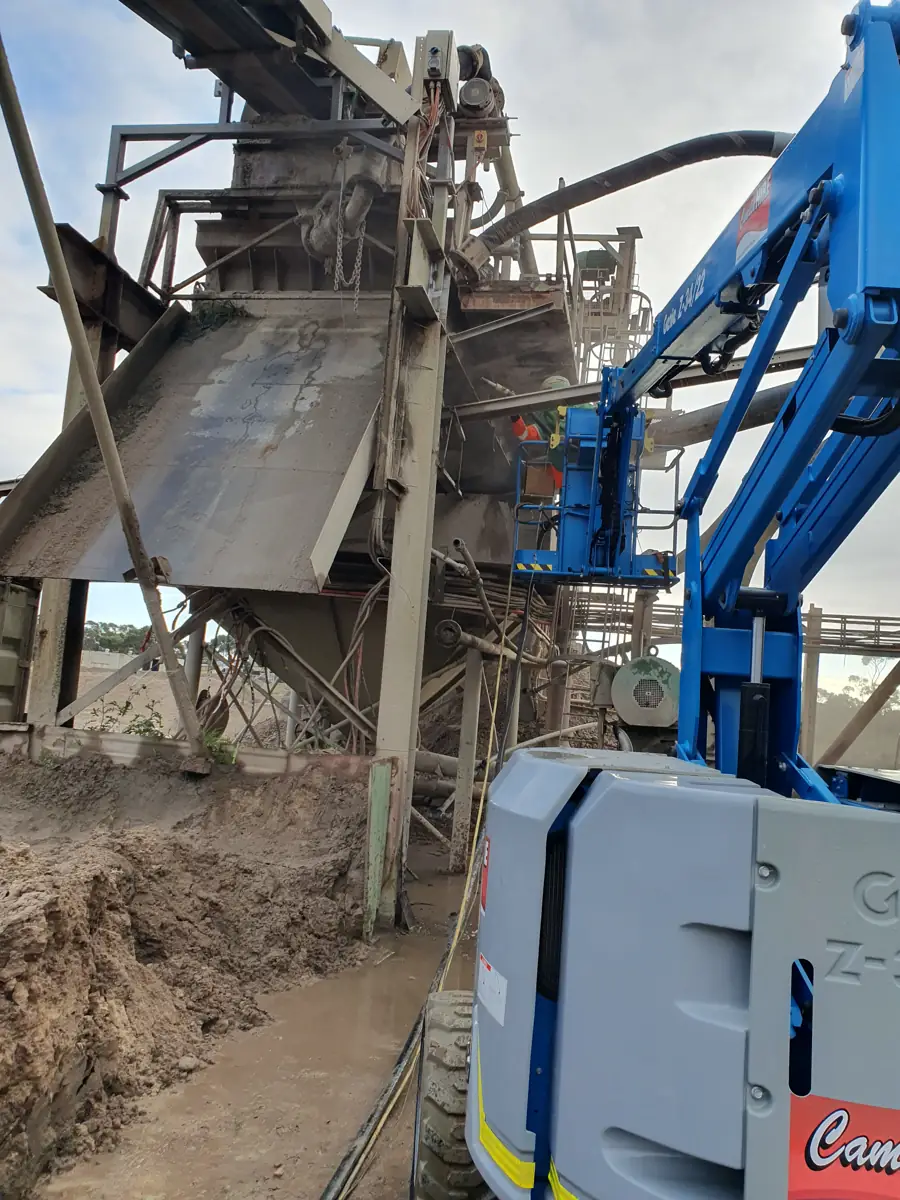
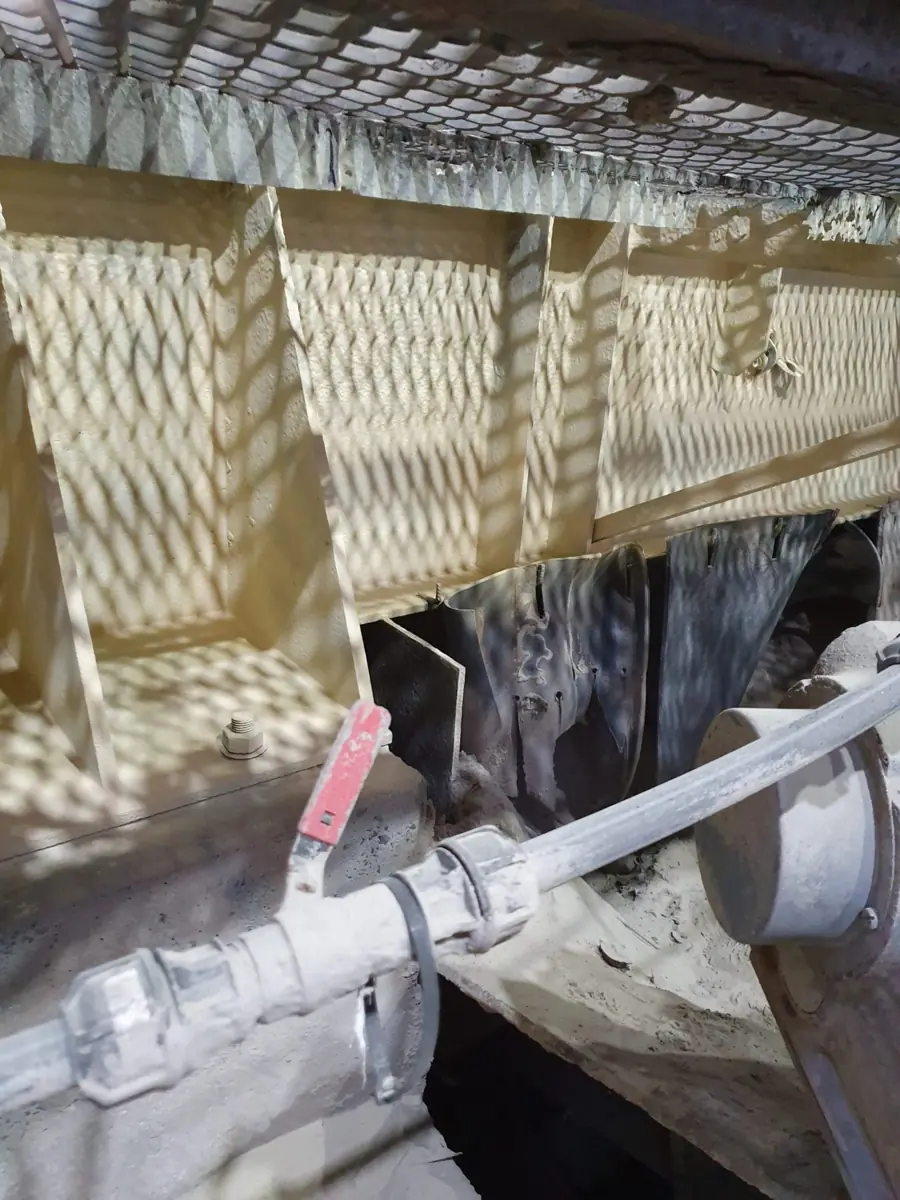
Industrial plant surface preparation
Abrasive blasting on aluminium panels

Blast-cleaned steel and industrial projects

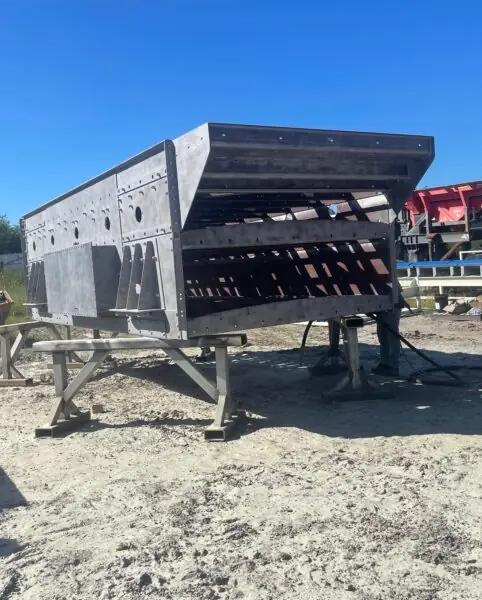
Prepared industrial steel component
Large fabricated structure prepared in the workshop
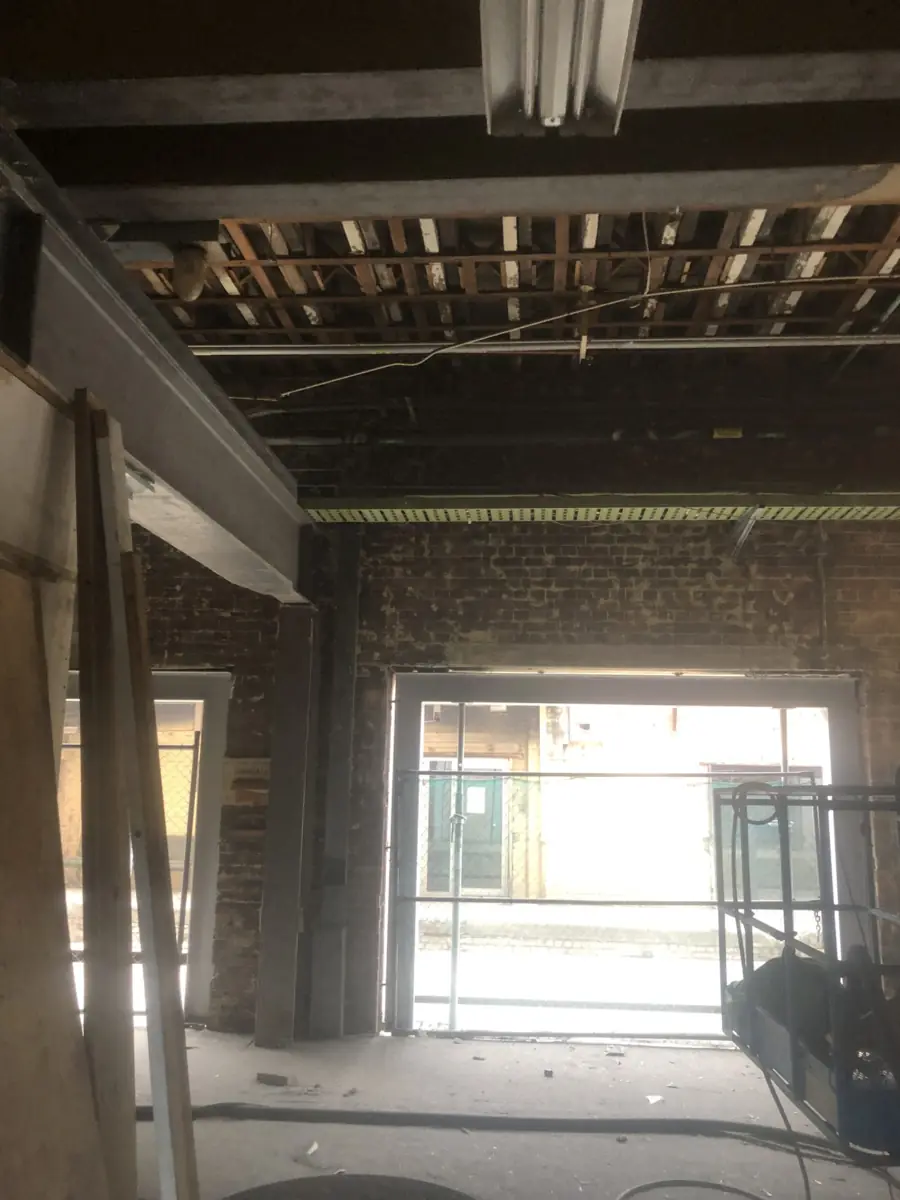
Steel structure surface preparation on site
Blast-cleaned steel tank surface
Steel structure preparation
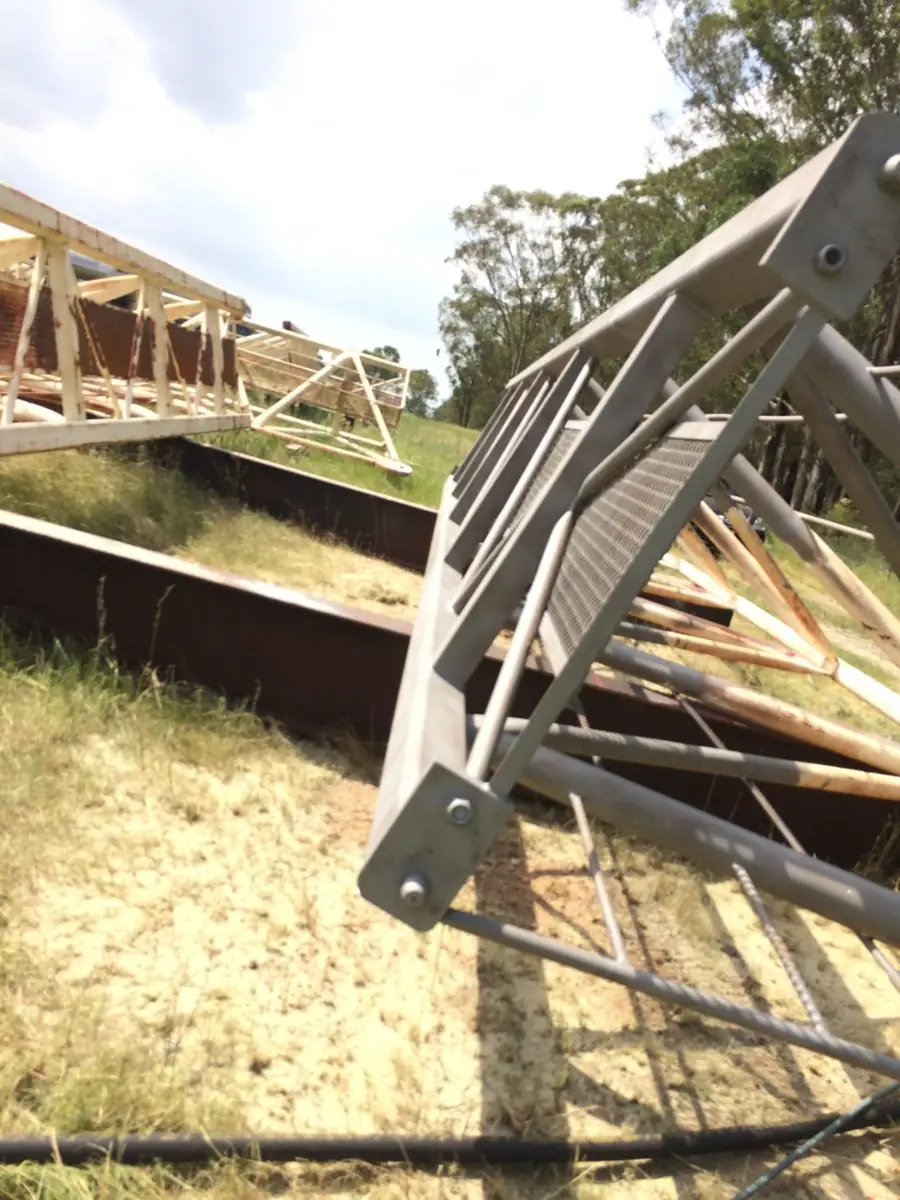
Large-scale quarry plant and steel structures
Method

How the work is approached.

01

Initial assessment

Identify existing coatings, corrosion, contamination, access constraints and areas that must be masked or protected.

02

Preparation

Clean and blast to the specified visual standard and surface profile. Edges, welds and difficult access points receive particular attention.

03

Release for coating

Inspect cleanliness, profile and ambient conditions before the first coat where the specification requires them.

Project considerations

What affects the result.

  • The required blast class and profile come from the coating specification, rather than a single standard finish for every asset.
  • Containment, abrasive recovery, nearby trades and access arrangements are scoped to the site.
  • Corroded or pitted steel may retain a different appearance from new steel even after correct preparation.
Quality & handover

Agree the benchmark first.

AS 1627.4 applies to abrasive blast cleaning of steel. Visual cleanliness, profile and climatic checks can be recorded against the project ITP and specified coating system.

Project-specific inspection frequency, acceptance criteria and documentation are confirmed in the scope.

Standards & methods

References selected for the project.

The contract and coating data sheets determine which standards, editions, limits and inspection frequency apply. The following references may be incorporated where relevant.

ReferenceApplication
AS 1627.1Removal of oil, grease and related contamination before preparation.
AS/NZS 2312.1Guidance for atmospheric corrosion protection of structural steel by paint coatings.
ISO 8502-4Assessment of condensation risk before coating.
AS 3894.7Determination of substrate surface temperature.
AS/NZS 3894.10Daily surface and ambient condition reporting where specified.
AS 1627.4Abrasive blast cleaning of steel to the nominated preparation class.
ISO 8501-1Visual assessment of steel rust grades and preparation grades.
AS 3894.5Site determination of surface profile using the applicable method.
ISO 8503-5Replica tape measurement of blast-cleaned steel profile.
ASTM D7393Field indication of oil in abrasive media; the abrasive vial test.
ASTM D4285Indication of oil or water in compressed air.
AS 3894.6Residual surface contaminant assessment where specified.

Manufacturer TDS/SDS, the agreed methodology, SWMS and project ITP complete the working requirements. Australian and international methods are not automatically interchangeable.

Enquire

Send the details that matter.

Tell us the location, approximate area or dimensions, substrate, existing condition and target finish. Include photos, drawings and a coating specification or ITP if you have them.