Exposed aggregate finishes
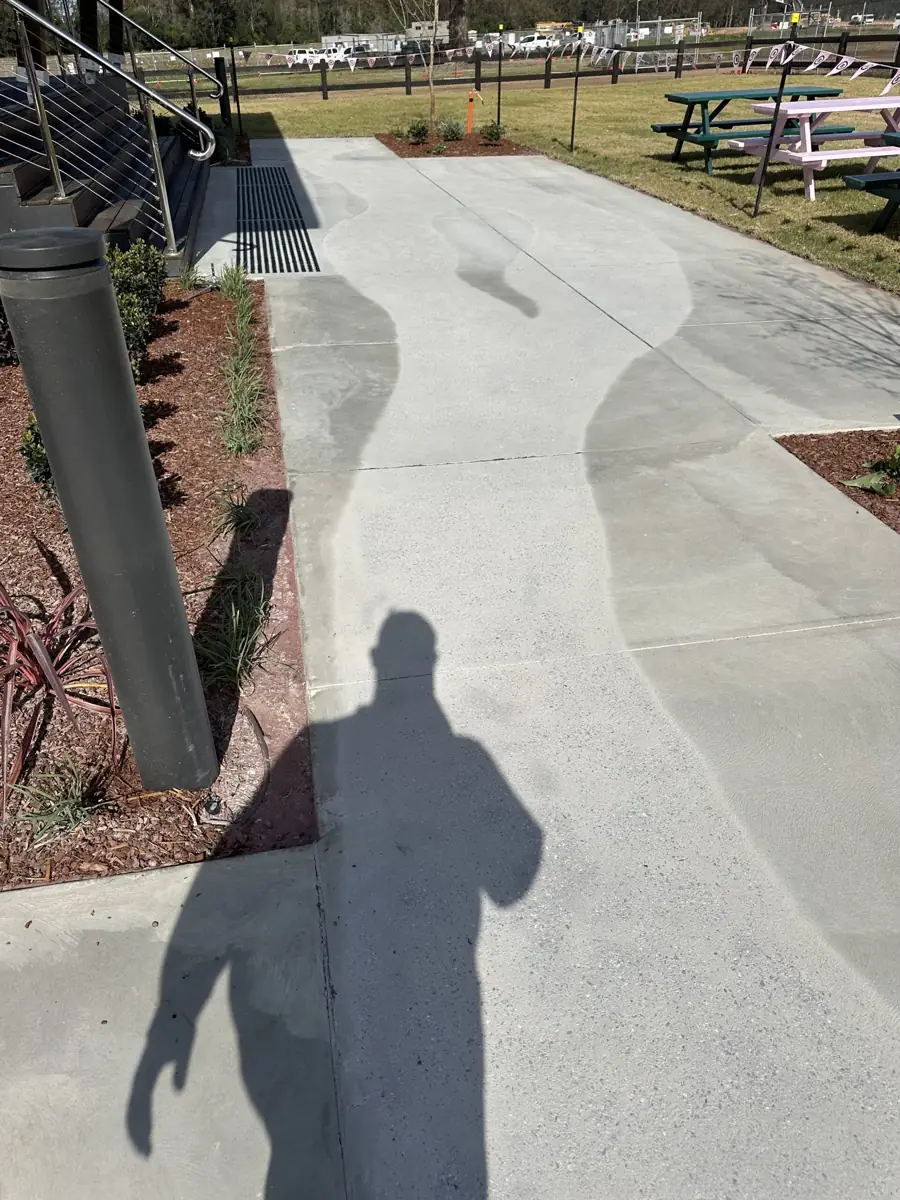
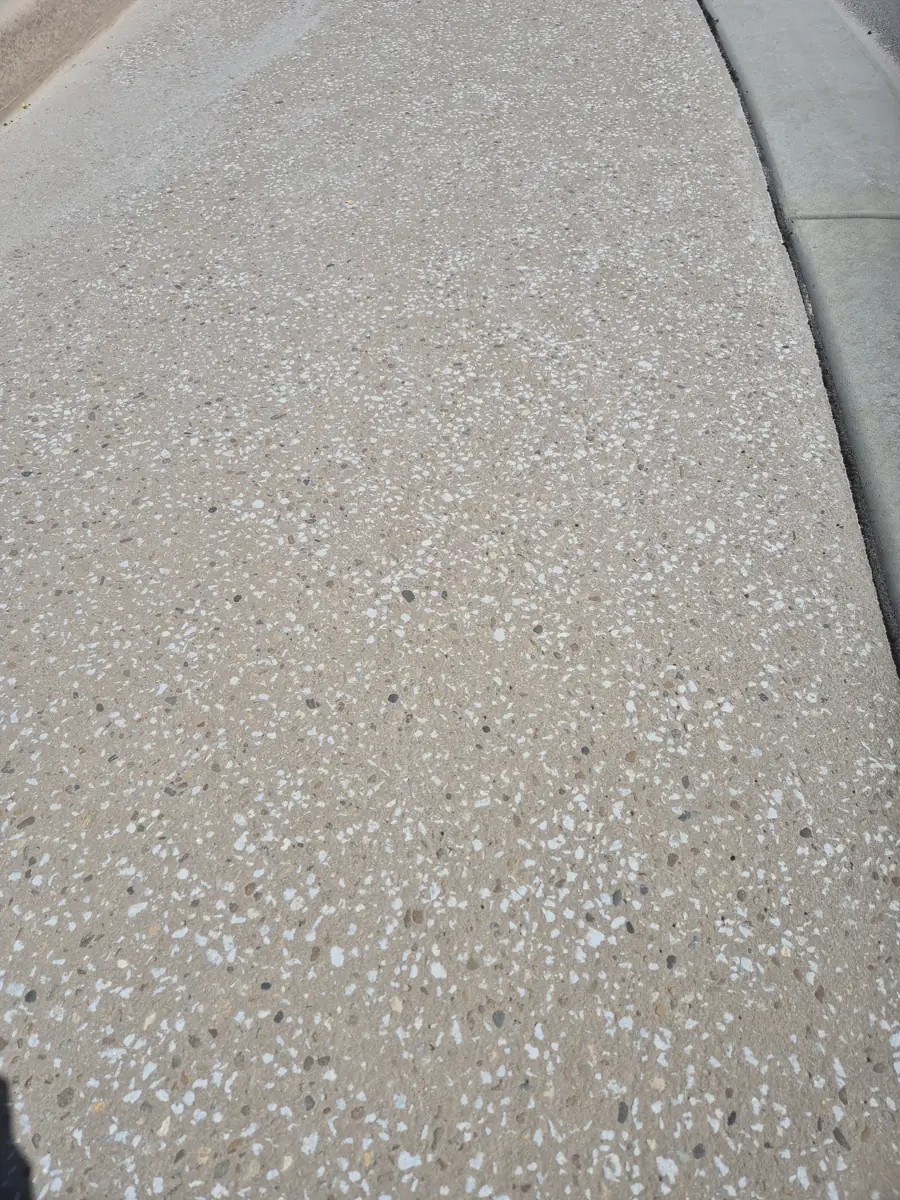
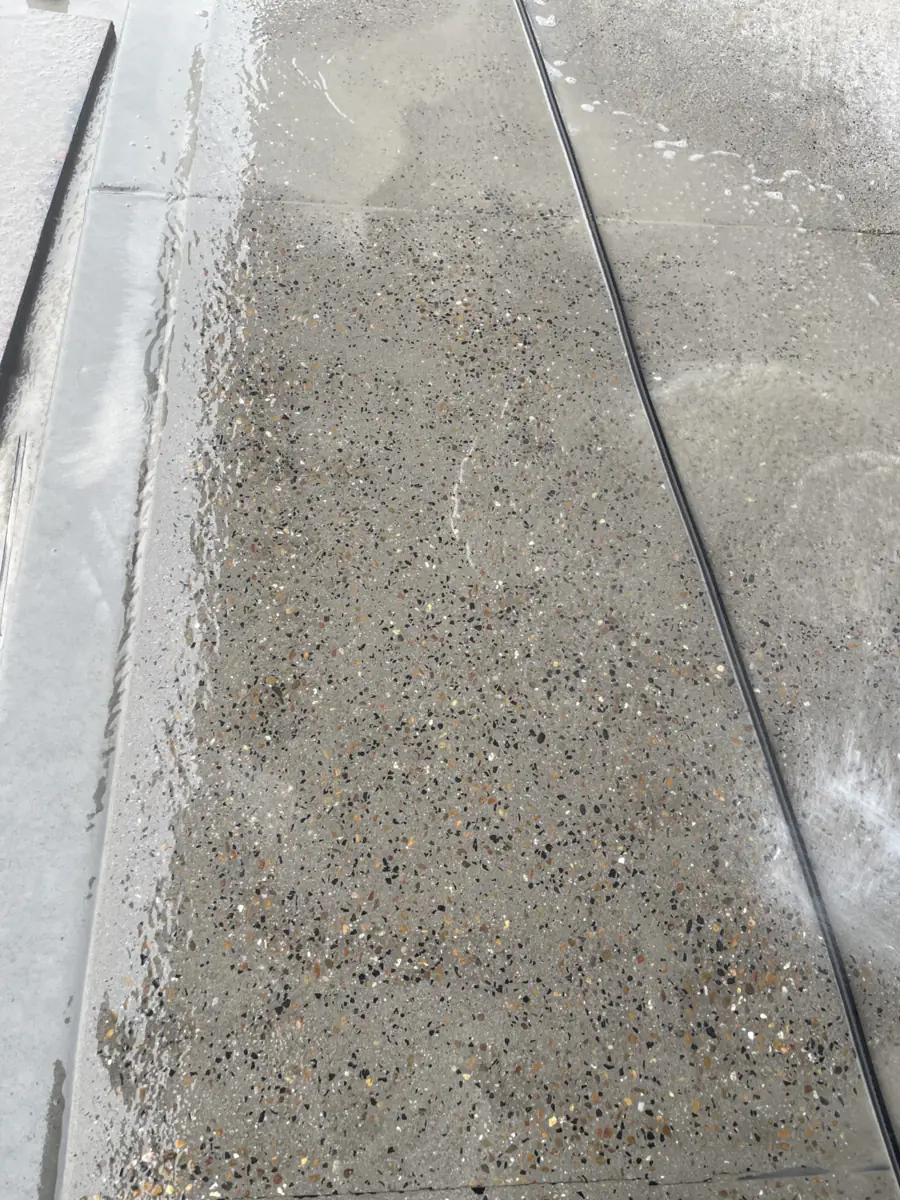
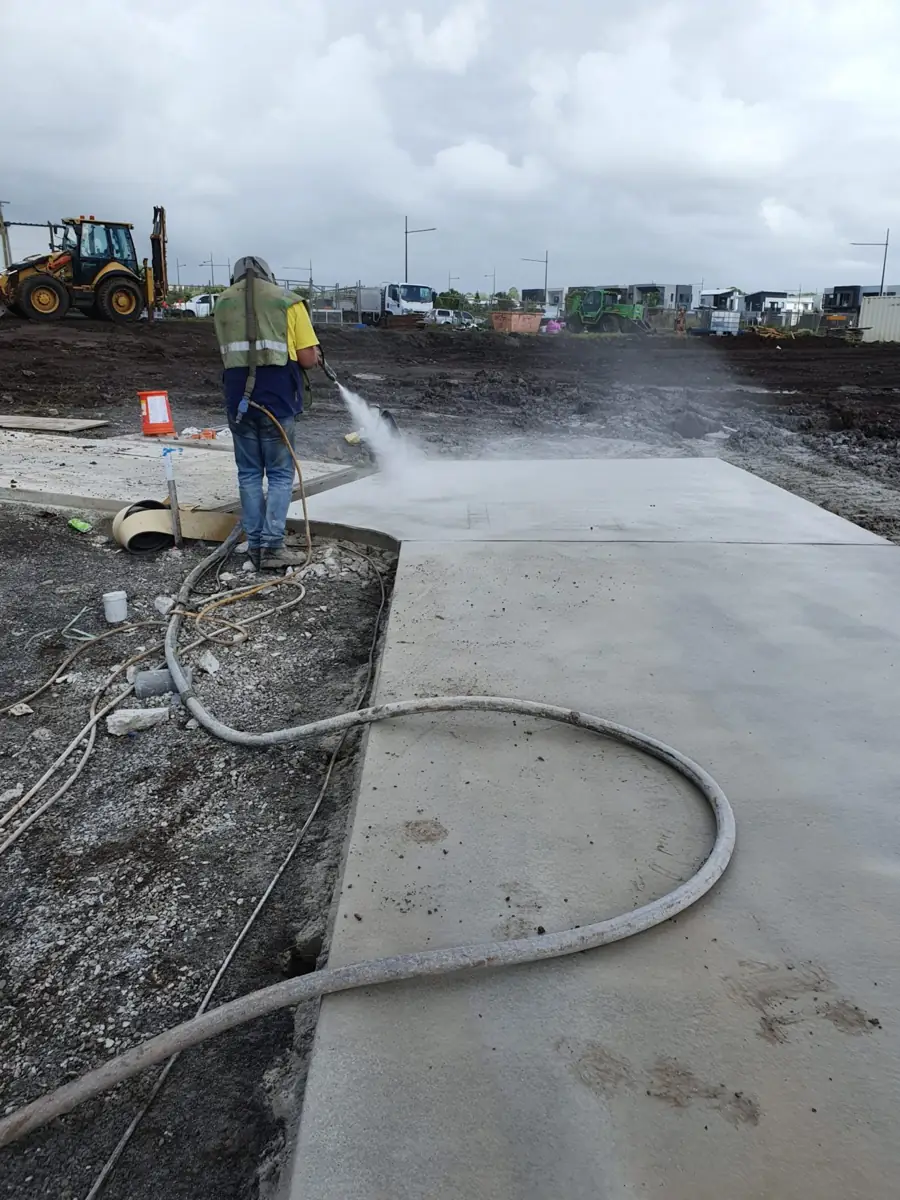
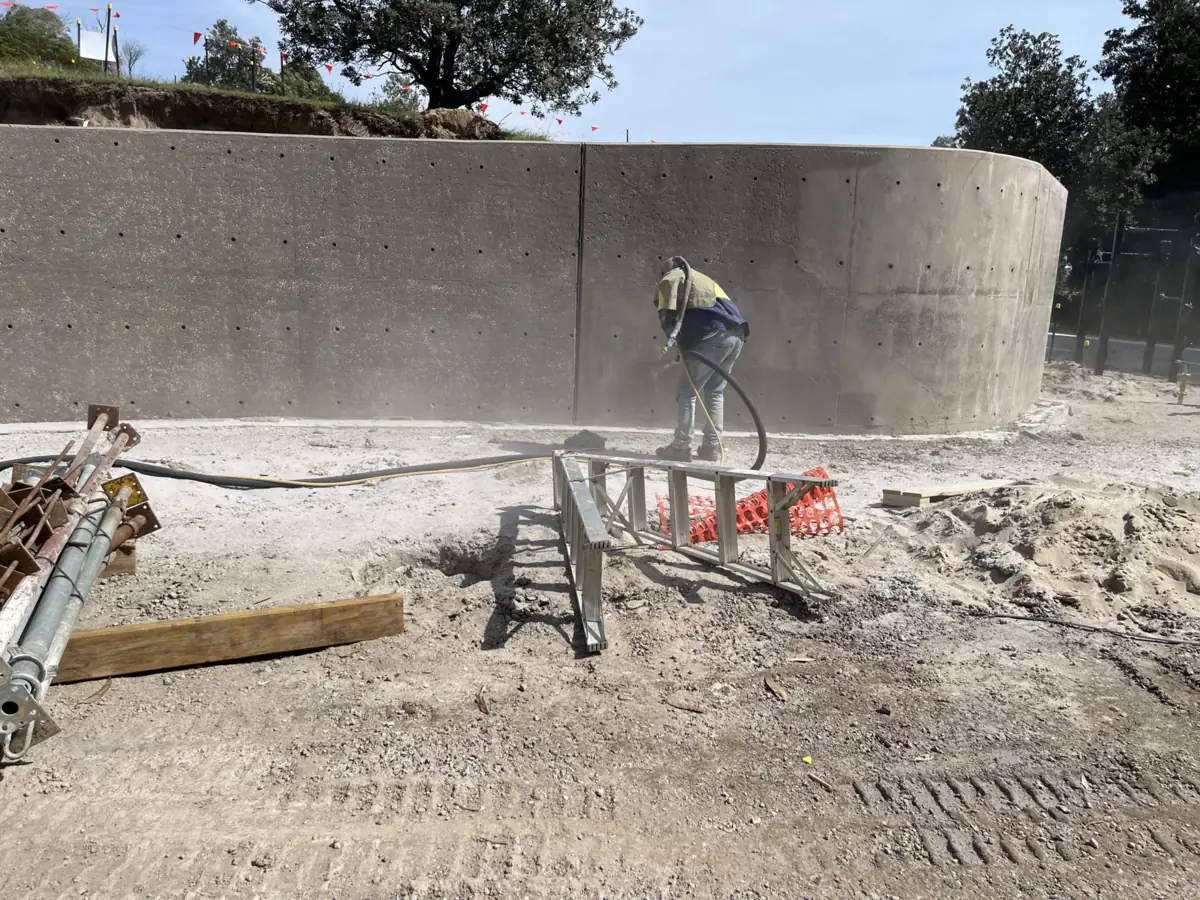
Light, medium or heavier blasting reveals different amounts of aggregate and changes surface texture. The finish is agreed using a sample where appearance matters. Aggregate distribution, concrete strength, trowelling and separate pours influence the result.
Coating and sealer removal
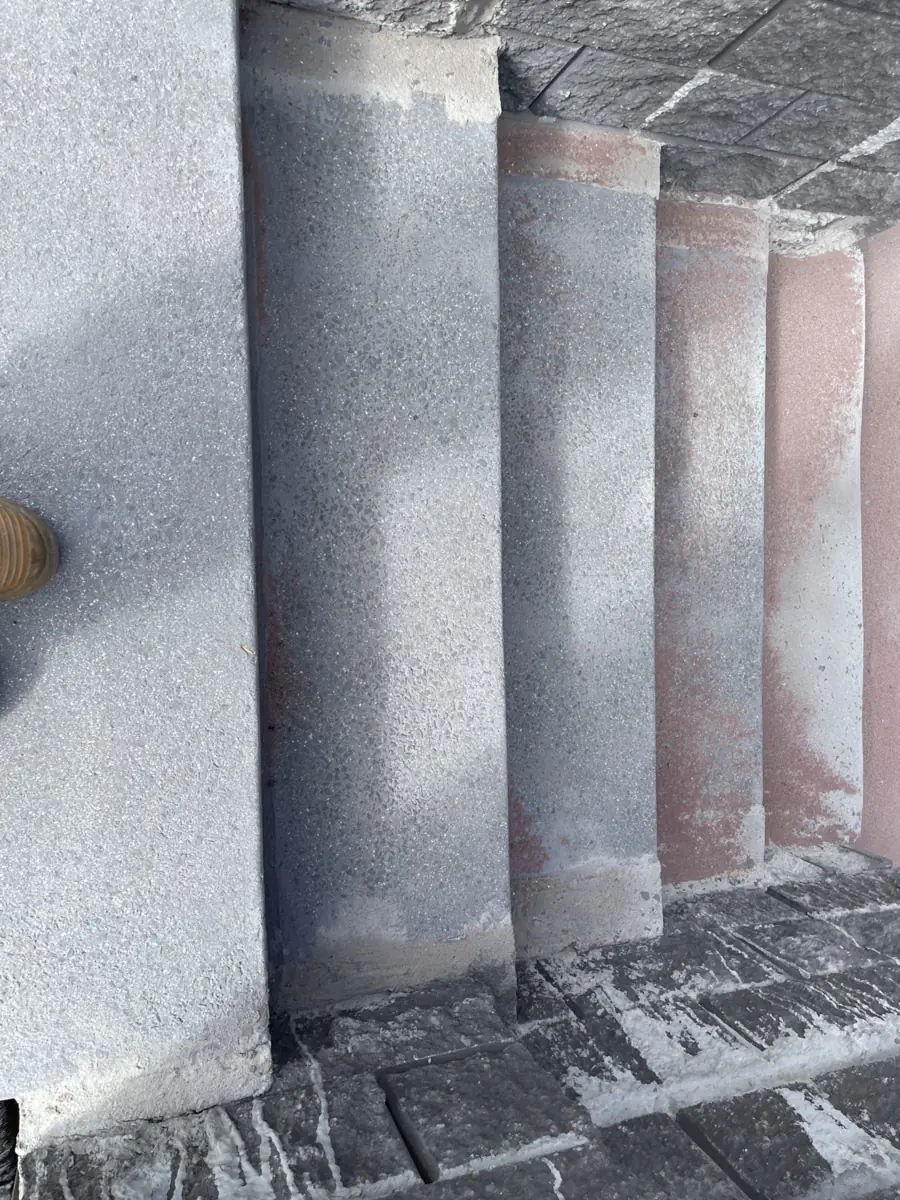
Blasting can remove nominated paint or sealer and prepare concrete for a subsequent finish. We review the existing material and the requirements of the next trade, then agree the removal target and handover condition.
Pavements, walls and architectural work
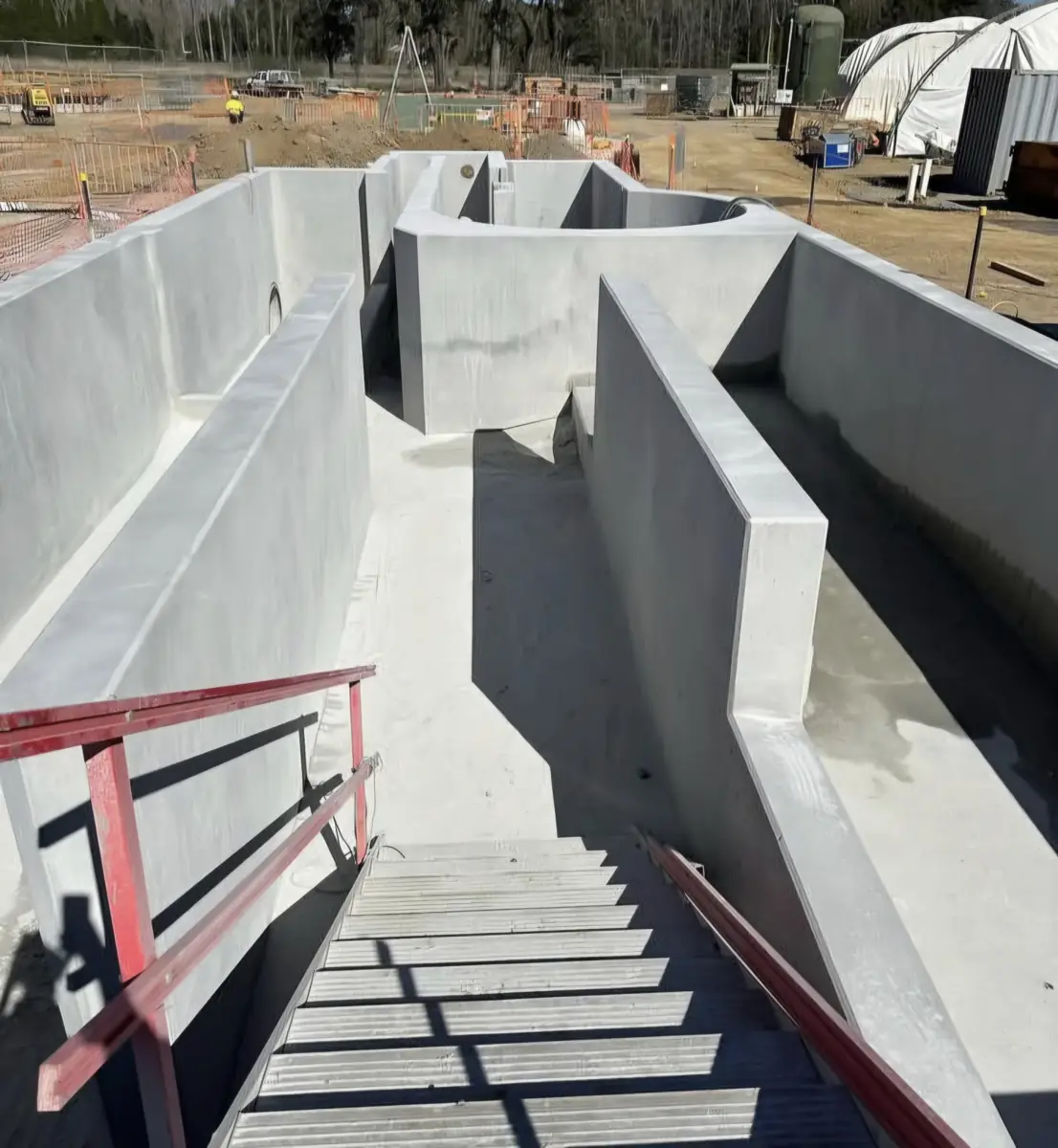
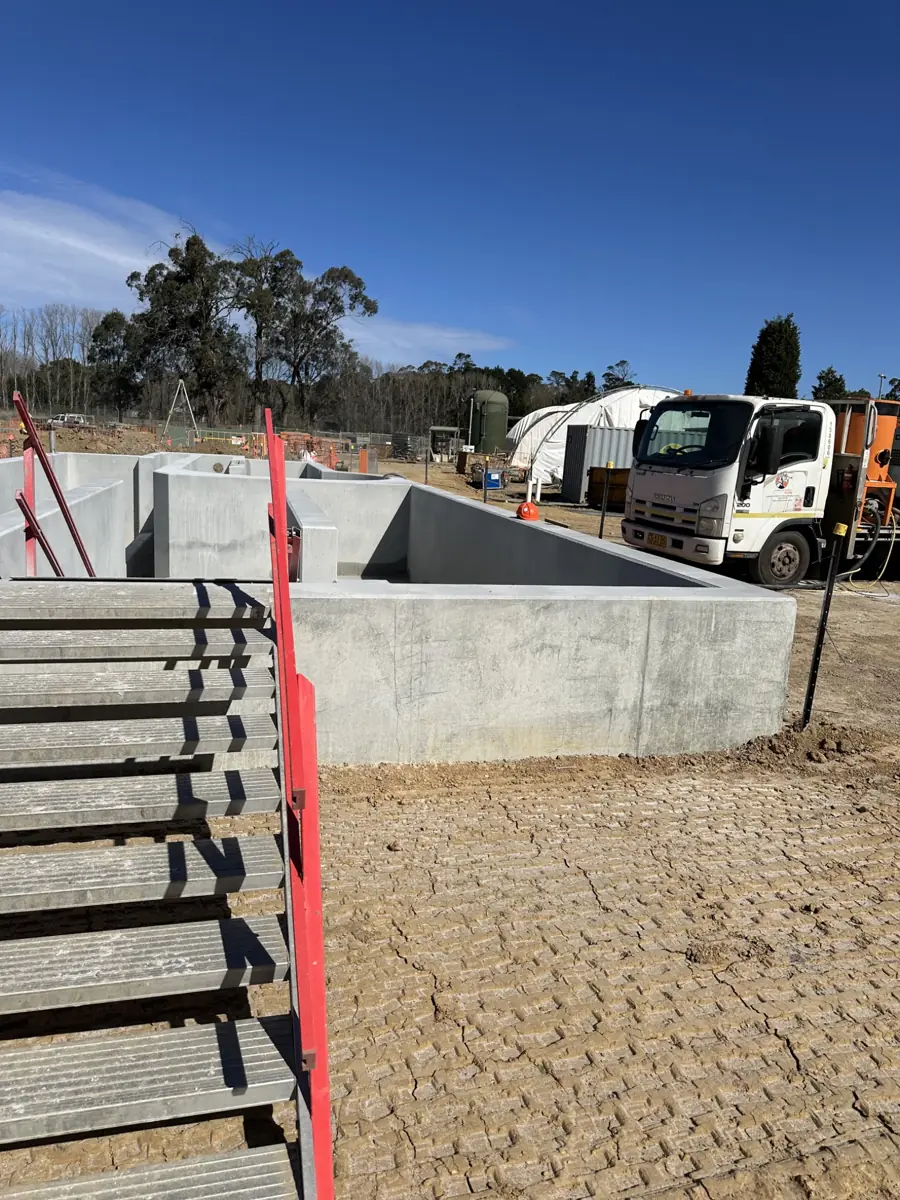
Projects can include driveways, walkways, walls, public spaces and building surfaces. Access, nearby finishes, drainage and recovery of spent abrasive are considered before deciding wet or dry preparation.
Concrete quality and visual variation
Blasting reveals the concrete that is already there; it cannot make inconsistent aggregate or repairs uniform. A representative sample helps identify these variations. A specific slip rating requires the relevant testing and cannot be inferred solely from a rough surface.
Choosing the depth of exposure
A light exposure removes surface paste and can reveal fine texture; a heavier treatment reveals more of the aggregate below. The intended appearance is agreed on the actual concrete wherever practical. Increasing the blast depth changes both texture and material removal, so a deeper finish should be a deliberate choice rather than a response to isolated colour variation.
Existing concrete and separate pours
Concrete age, curing, finishing, aggregate size and distribution all affect the blasted result. Different pours, patched areas, edge repairs and previous treatments can remain visible. Blasting reveals these differences rather than correcting them. For architectural work, a representative trial is reviewed before production and becomes the visual reference for the nominated area.
Preparation for a new finish
Where concrete will receive a coating, overlay or sealer, the next system determines the required surface condition. We confirm whether the task is removal of an existing layer, opening the surface texture or preparing a nominated area for another trade. Moisture testing, repairs and the final coating are included only where specifically agreed, with handover responsibilities established before work.
Edges, adjoining surfaces and cleanup
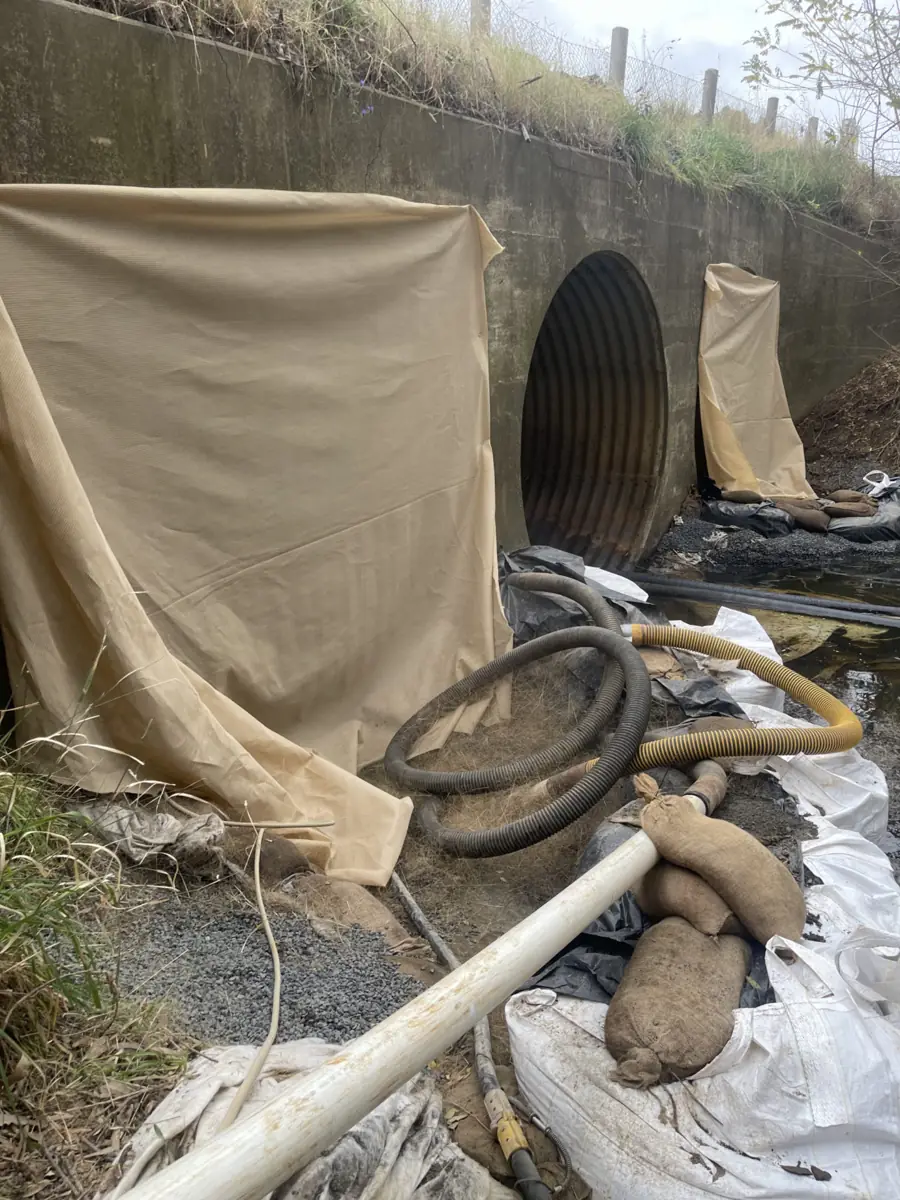
Set-out limits, edge treatments and protection of nearby glass, metalwork, paving and landscaping are discussed before blasting. Wet or dry methods are chosen around the finish and site conditions, including practical residue collection. A textured surface alone is not a certified slip-resistant finish; any required slip classification needs the applicable testing and acceptance criteria.
Concrete Surface Profiles for coatings and linings
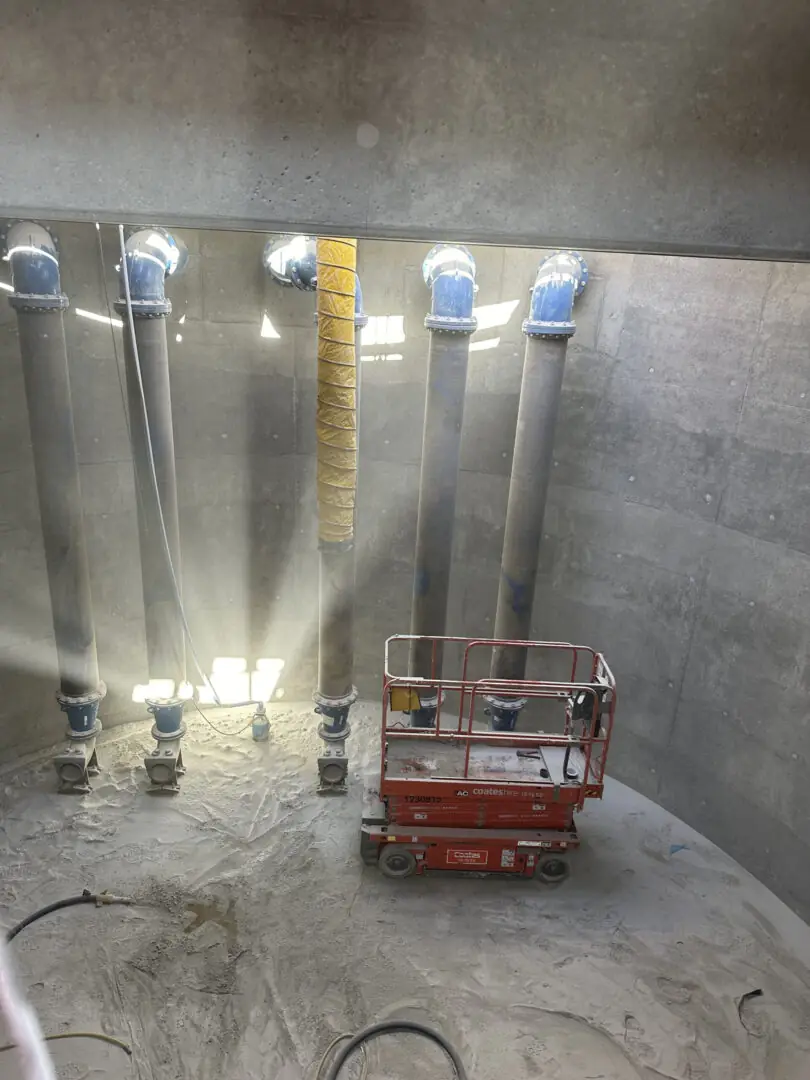
Concrete Surface Profile (CSP) describes the texture of prepared concrete. Different coating and lining systems require different profiles to support adhesion and application. We confirm the specified CSP and substrate requirements with the project specification and coating manufacturer before selecting the preparation approach. A decorative aggregate finish and a coating-ready profile have different acceptance objectives.
Match the blast to the required profile
Abrasive type, working pressure, nozzle technique and the condition of the concrete influence the resulting texture. A representative trial helps establish a practical method for achieving the nominated profile without unnecessary removal of sound concrete. The result is assessed against the agreed reference, including ICRI CSP comparator chips where specified; appearance alone does not establish a universal CSP rating.
A coating-ready handover
Profile is one part of preparation. Laitance, unsound material, nominated coatings and contamination must also be addressed within scope, followed by removal of dust and spent abrasive. Repairs, moisture requirements and any further testing are coordinated with the coating applicator and project documents. The agreed inspection confirms the required condition before coating application proceeds.