0449 729 797sales@sandblastsydney.com.au
Home / Services / Power Tool Preparation & Brush/Roller Coatings
Aeroblast services · Sydney

Power Tool Preparation & Brush/Roller Coatings

Localised mechanical steel preparation followed by controlled brush and roller coating application.

Discuss your project
The service

Practical preparation, clear scope.

A practical maintenance service combining mechanical steel preparation with brush and roller coating application. It suits localised corrosion, coating repairs, restricted access and sites where full blasting or spraying is impractical, provided the specified coating system permits the method.

Typical work

  • Maintenance and localised corrosion repairs
  • Restricted-access preparation
  • Stripe coats, brush and roller application

Every surface and site is different. We confirm the preparation target, protection of surrounding areas, finish and inspection requirements before work proceeds.

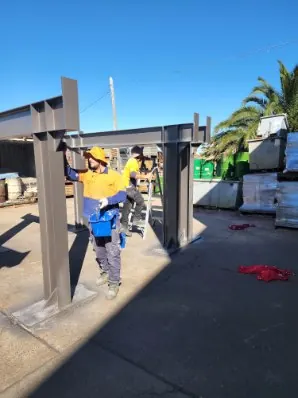
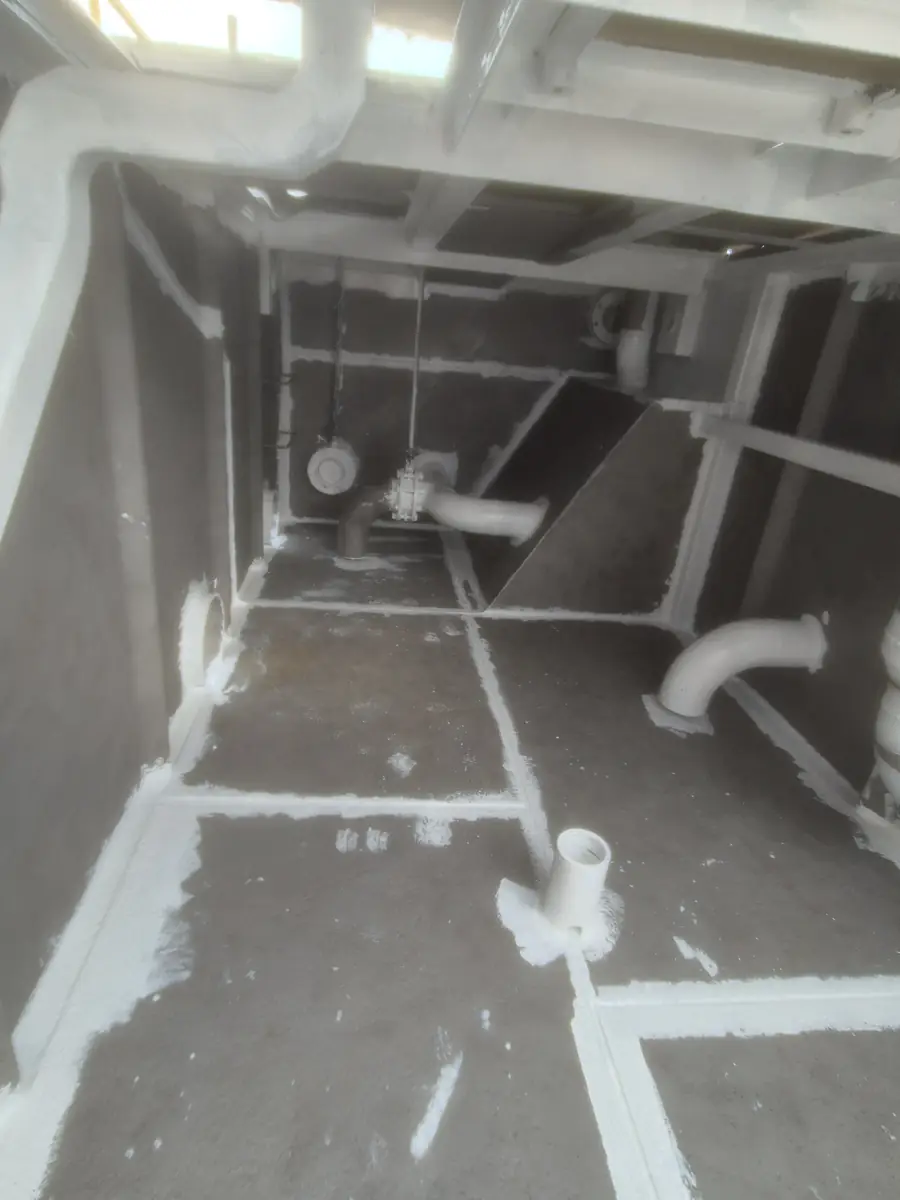
Aeroblast power tool preparation & brush/roller coatings project

Choose the preparation grade first

AS 1627.2 and specified SSPC power tool standards provide different preparation benchmarks. SSPC-SP 3 addresses loose material; SSPC-SP 11 addresses preparation to bare metal; SSPC-SP 15 defines commercial grade power tool cleaning. They are not interchangeable and are not automatically equivalent to an abrasive blast class.

A sound transition into existing coating

Repairs may retain sound adjacent coating. Its edges are feathered to avoid an abrupt step, and the retained film is checked for suitability for overcoating. Pits and tight corners receive attention because flat grinding tools can leave contamination in recessed areas.

Brush application and stripe coating

Brushes allow coating to be worked around edges, welds, bolts and corners. Stripe coats reinforce details where full-coat application may otherwise leave low coverage. The sequence follows the specification and data sheet; stripe coating is additional detail work and does not replace the full coats.

Roller application and film build

Roller material and pile are selected for product compatibility and surface texture. Application is controlled to reduce thin spots, entrapped air, embedded fibres and dry overlap marks. Wet film readings guide application; cured dry film readings verify the specified thickness.

Product control and inspection

Correct components, mixing ratio, induction time where applicable, permitted thinner, pot life and recoat windows are checked. Instruments are verified and adjusted as required for the substrate. The project specifies the thickness sampling method and any roughness correction.

Where this maintenance method fits

Localised repairs, fixed steelwork and restricted access can make power tool preparation with brush or roller application a practical option. It is selected only where the preparation requirement and product permit it. The condition of retained coating, severity of corrosion and ability to reach recessed areas determine whether a local repair is suitable or a wider preparation scope is needed.

Tool selection and recessed corrosion

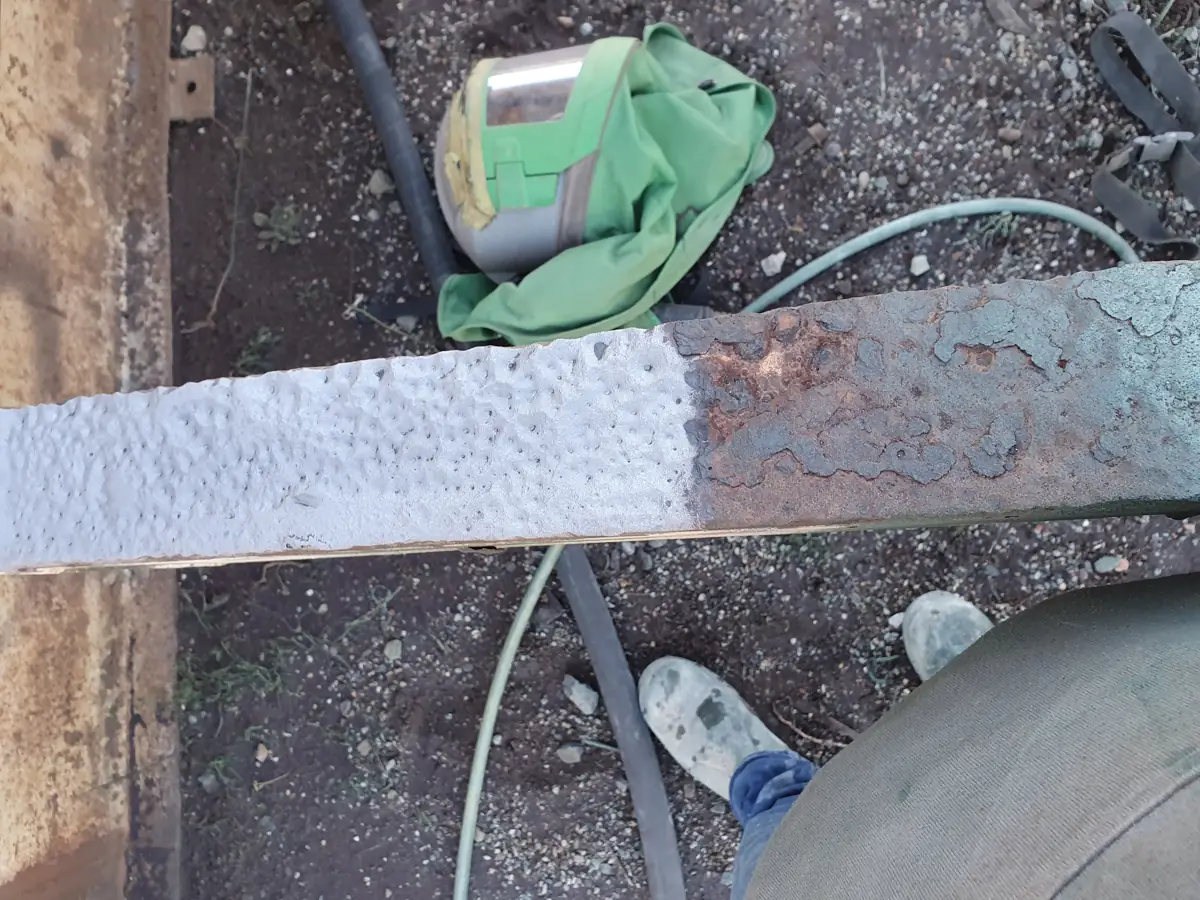
Grinders and sanders can work accessible faces, while other suitable tools may be needed for pits, corners and weld details. Simply making a surface shiny does not establish the required cleanliness or profile. Tool action is controlled to avoid burnishing, leaving loose corrosion or creating sharp transitions. Prepared areas are reviewed against the specified written standard and relevant visual reference.

Retained coating needs its own assessment

Existing coating is retained only where its condition and compatibility meet the repair requirements. Loose or unsuitable film is removed, sound edges are feathered and the surrounding surface is cleaned or roughened as specified. The repair boundary is agreed before application; coating over an unstable layer can carry the original defect into the new system.

Build film around complex geometry

Brushes work coating into details while rollers cover suitable accessible faces. Application technique, roller selection and product properties influence texture and build. Additional passes or coats may be required within the product limits; excessive thickness is not a substitute for controlled application. Inspection records can cover stripe coats, wet film checks, environmental conditions and final dry film thickness.
Aeroblast projects

See the work. Explore the detail.

Preparation and coating details

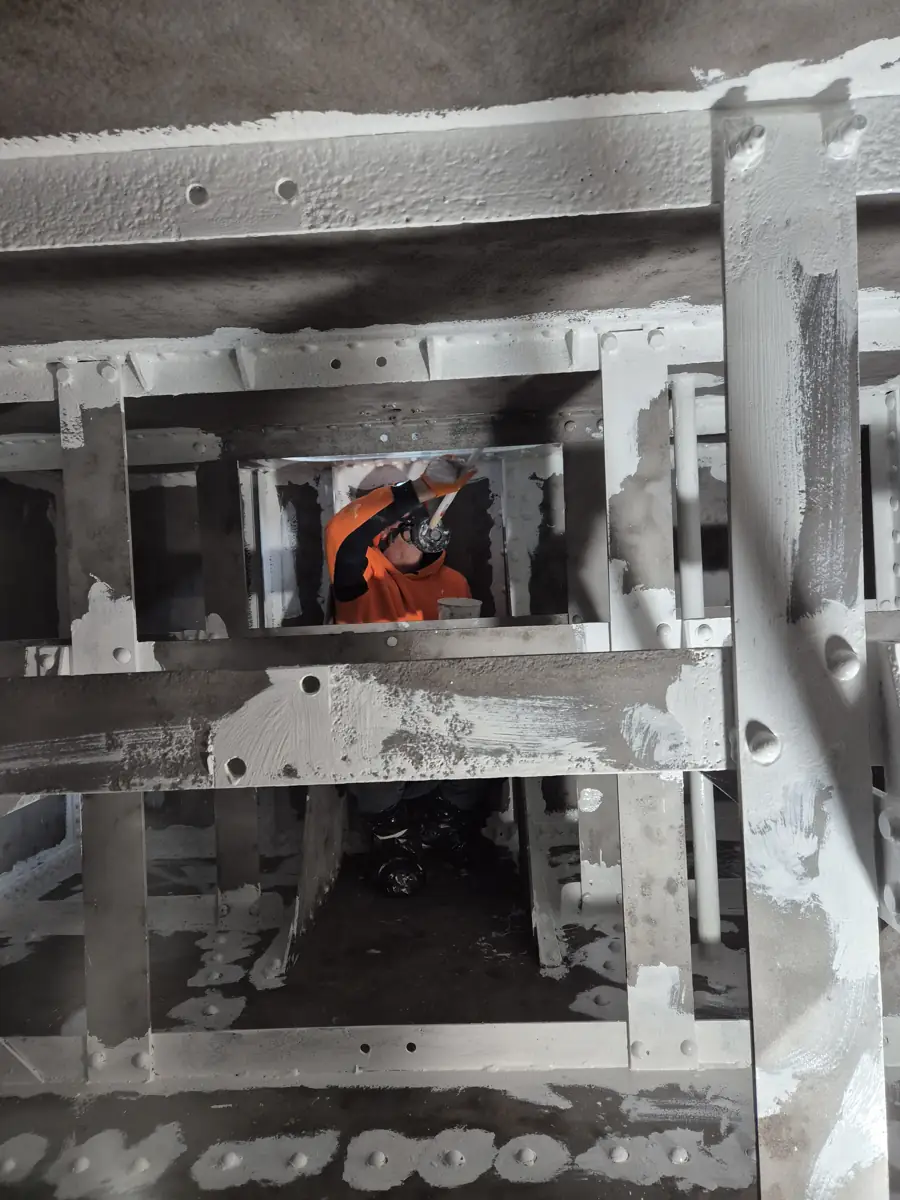
Brush and roller coating of structural steel
Prepared fabricated steel details
Prepared steel and existing corrosion
Stripe coating on steel details
Method

How the work is approached.

01

Assess and pre-clean

Inspect corrosion and the retained coating. Remove oil and grease before mechanical cleaning, establish repair limits and confirm coating compatibility.

02

Mechanically prepare

Use suitable grinders, sanders, scalers or other tools to meet the nominated preparation grade. Feather sound coating edges and avoid polishing or leaving sharp burrs.

03

Stripe, coat and inspect

Brush details and stripe coat where required, then apply full coats by brush or roller. Monitor conditions, film build, recoat intervals and final thickness.

Project considerations

What affects the result.

  • Basic power tool cleaning and power tool cleaning to bare metal are different preparation requirements.
  • The required profile is governed by the selected preparation standard and coating specification.
  • Brush and roller finishes can show texture and may require additional coats to achieve film build.
Quality & handover

Agree the benchmark first.

Preparation and application are matched to the repair specification and manufacturer data sheets. AMPP CIP inspection checks and records are agreed in the project ITP.

Project-specific inspection frequency, acceptance criteria and documentation are confirmed in the scope.

Standards & methods

References selected for the project.

The contract and coating data sheets determine which standards, editions, limits and inspection frequency apply. The following references may be incorporated where relevant.

ReferenceApplication
AS 1627.1Removal of oil, grease and related contamination before preparation.
AS/NZS 2312.1Guidance for atmospheric corrosion protection of structural steel by paint coatings.
ISO 8502-4Assessment of condensation risk before coating.
AS 3894.7Determination of substrate surface temperature.
AS/NZS 3894.10Daily surface and ambient condition reporting where specified.
AS 1627.2Hand and power tool cleaning of steel.
ISO 8501-1 — St 2 / St 3Specified visual grades for hand and power tool preparation.
SSPC-SP 3Power tool cleaning of loose material.
SSPC-SP 11 / SSPC-SP 15Bare-metal or commercial-grade power tool preparation where specified.
SSPC-VIS 3Visual guide used with the relevant written hand or power tool standard.
SSPC-PA Guide 11Guidance for stripe coating critical steel details.
AS 3894.3Dry film thickness determination.
AS/NZS 3894 series — relevant partsSpecified site checks and records for protective coatings; wet film checks also follow the product and gauge requirements.
ASTM D7091Non-destructive dry film thickness measurement and instrument use.
SSPC-PA 2 / ISO 19840Alternative specified approaches to DFT sampling, roughness effects and acceptance; apply the method nominated by the contract.

Manufacturer TDS/SDS, the agreed methodology, SWMS and project ITP complete the working requirements. Australian and international methods are not automatically interchangeable.

Enquire

Send the details that matter.

Tell us the location, approximate area or dimensions, substrate, existing condition and target finish. Include photos, drawings and a coating specification or ITP if you have them.